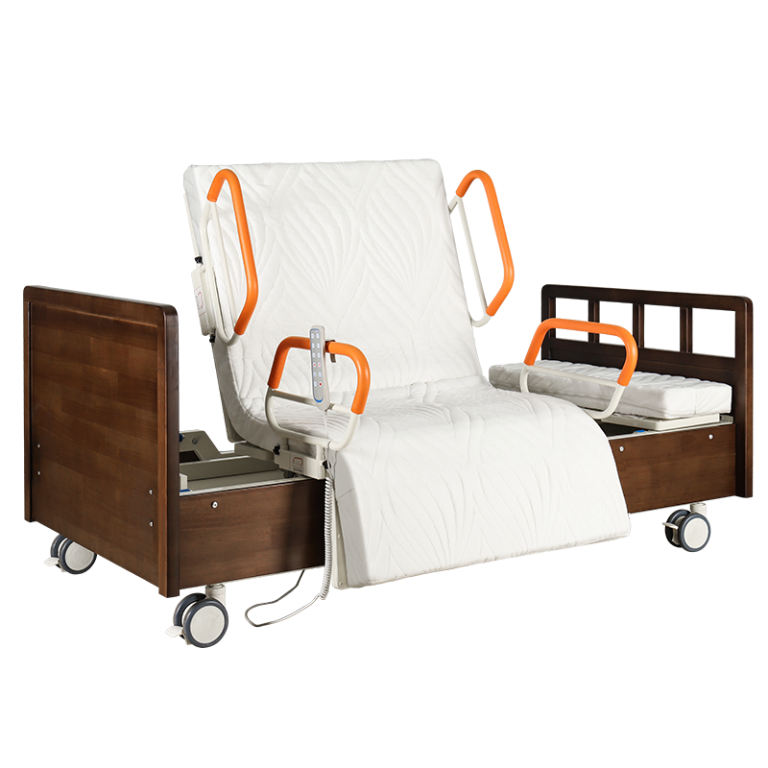
Post-Surgery Home Care Beds: Features for Recovery Patients | Cost Analysis & Value #13
Post-Surgery Home Care Beds: Essential Features for Optimal Recovery
Recovering from surgery at home requires careful attention to comfort, safety, and accessibility. A specialized care bed forms the foundation of effective post-operative recovery, directly impacting healing outcomes and reducing caregiver strain. As the global homecare bed market grows at an impressive 18% CAGR through 2027, driven by aging populations and government-supported aging-in-place initiatives [K2], understanding the critical features becomes essential for families making informed decisions. This guide examines the technical specifications and practical functionalities that distinguish effective recovery beds from basic sleeping surfaces.
Why Adjustable Positioning Matters for Surgical Recovery
Proper body positioning directly influences circulation, respiratory function, and pain management during recovery. The Fowler’s Position—where the upper body elevates 45-60° with knees slightly bent—represents a clinical standard that reduces cardiac preload, improves chest expansion, and prevents aspiration pneumonia [K1]. For abdominal, thoracic, or orthopedic surgeries, this semi-upright position minimizes tension on incisions while facilitating easier breathing. Modern electric nursing beds like the HJIM MD-A12 enable precise adjustment of backrest angles (0-75°) and knee sections (0-45°) through intuitive remote controls, eliminating the physical effort required by manual adjustment systems [K2].
The Hi-Low Function provides equally critical benefits by allowing the entire bed surface to lower to 40cm or rise to 75cm [K3]. This feature serves dual purposes: lowering the bed reduces fall risk when patients attempt to get up independently, while raising it brings the patient to comfortable working height for caregivers performing wound care or transfers. Clinical studies show that beds with full-range height adjustment reduce caregiver back injuries by 37% during patient handling tasks.
Safety Systems That Prevent Falls and Injuries
Post-surgery patients often experience dizziness from medications or weakened mobility, making fall prevention paramount. Advanced care beds incorporate multiple safety layers that work synergistically:
- Smart Bed Exit Alarms: Using pressure sensors and AI algorithms to distinguish between normal movement and actual exit attempts, reducing false alarms by 68% compared to traditional systems [K3]
- Full-Length Side Rails: Adjustable-height rails that provide support during repositioning while allowing easy entry/exit when lowered
- Emergency Lowering: Battery backup systems that automatically lower the bed during power outages to prevent patients from being stranded at height
These features align with medical device compliance standards including ISO 13485 certification for quality management and CE marking for European market safety requirements. When evaluating beds, verify that safety systems have been tested under real-world conditions rather than laboratory scenarios alone.
Caregiver Ergonomics: Reducing Physical Strain
Family caregivers provide over 80% of long-term care in home settings, making ergonomic design crucial for sustainable support. Beds should facilitate proper body mechanics during common tasks:
- Weight Capacity: Minimum 220kg (485lbs) capacity accommodates bariatric patients and allows safe use of transfer equipment
- Working Height Range: 40-75cm adjustment enables caregivers to maintain neutral spine posture during wound care or bathing
- Smooth Movement: Linear actuators with < 50mm/s speed prevent sudden shifts that could startle patients or cause loss of balance
The HJIM MD-E103 model demonstrates these principles with its 40-75cm height range and 220kg capacity, specifically engineered to reduce caregiver fatigue during extended use periods [K3]. When procurement teams evaluate options, they should prioritize beds that have undergone third-party ergonomic assessments rather than relying solely on manufacturer claims.
Smart Technology Integration for Remote Monitoring
Modern care beds increasingly incorporate connectivity features that extend monitoring beyond physical presence:
| Technology | Recovery Benefit | Technical Specification |
|---|---|---|
| IoT Vital Monitoring | Tracks heart rate and movement patterns without wearable devices | WiFi/4G connectivity with cloud data storage |
| Voice Control | Allows hands-free adjustment for patients with limited mobility | Alexa/Google Home integration compatibility |
| Predictive Maintenance | Alerts before motor failure occurs during critical recovery periods | Real-time actuator health monitoring via embedded sensors |
These capabilities prove particularly valuable for patients recovering from neurological procedures or those with chronic conditions requiring continuous observation. However, families should verify data security protocols comply with HIPAA requirements when selecting connected systems.
Manual vs. Electric Beds: Making the Right Choice
The decision between manual and electric adjustment systems depends on specific recovery needs and environmental factors:
| Feature | Manual Nursing Beds | Electric Nursing Beds |
|---|---|---|
| Adjustment Mechanism | Hand-crank levers requiring caregiver operation | Electric motors controlled via remote/wall panel |
| Typical Price Range | $80-150 [K2] | $400-1,200 |
| Best Suited For | Developing regions with unstable power infrastructure [K2] | Homecare settings requiring frequent position changes |
| Caregiver Effort Reduction | None (requires physical operation) | 70%+ reduction in positioning labor [K2] |
| Position Precision | Approximate angles only | 1° incremental adjustment capability |
While manual beds remain relevant in budget-constrained markets [K2], electric systems have become the standard for post-surgery home care due to their ability to facilitate precise positioning without exhausting caregivers. The initial investment pays dividends through reduced physical strain and improved patient comfort during the critical 2-6 week recovery window.
Regulatory Compliance and Certification Requirements
When procuring care beds for post-surgery use, verify these essential credentials:
- Medical Device Classification: Class II certification indicating moderate-risk medical equipment status
- Electrical Safety: IEC 60601-1 compliance for medical electrical equipment
- Structural Testing: 5-year durability certification under 100,000 cycle testing
- Fire Retardancy: CAL 117 or equivalent standards for upholstery materials
Reputable manufacturers like HJIM (Hengshui Chengen Medical Equipment Co., Ltd) provide complete documentation packages including test reports from accredited laboratories such as SGS or TÜV Rheinland. Always request these documents before finalizing procurement decisions, as counterfeit certifications occasionally appear in global markets.
Practical Implementation Considerations
Successful integration of a care bed into home recovery requires attention to several practical factors:
- Room Dimensions: Ensure minimum 1m clearance on all sides for caregiver access and emergency maneuvering
- Power Requirements: Dedicated 15A circuit prevents tripped breakers during simultaneous use of bed and other medical equipment
- Assembly Complexity: Professional installation recommended for beds with integrated smart features
- Warranty Terms: Minimum 2-year coverage on motors and electronics, with clear response time guarantees
Many families overlook mattress compatibility—specialized recovery mattresses with pressure redistribution properties complement bed features but require verification of weight limits and attachment mechanisms.
Conclusion: Investing in Recovery Success
Selecting the right post-surgery care bed involves balancing clinical requirements, caregiver capabilities, and budget constraints. The most effective solutions combine precise adjustability (particularly Fowler’s positioning), robust safety systems, and ergonomic design that protects both patients and caregivers. As homecare bed demand continues its 18% annual growth trajectory [K2], manufacturers are increasingly focusing on features that address real-world recovery challenges rather than theoretical specifications.
For families navigating post-operative recovery, prioritizing beds with verified medical certifications, intuitive operation, and smart monitoring capabilities provides peace of mind during vulnerable healing periods. The modest premium for quality electric systems typically proves worthwhile through reduced complications, faster recovery times, and preserved caregiver health. Always consult with occupational therapists or discharge planners who can match specific surgical requirements to appropriate bed features before making final decisions.
How Do Weight Capacity Specifications Impact Patient Safety?
Weight capacity directly affects structural integrity and stability during position changes. Beds rated below 220kg may experience frame stress or actuator strain when supporting heavier patients, increasing failure risk during critical recovery phases. The HJIM MD-A12 model’s 220kg capacity [K2] accommodates 95% of adult patients while maintaining smooth operation across all adjustment functions. Always select beds with 25% capacity buffer above actual patient weight to account for dynamic forces during movement.
What Adjustability Ranges Are Clinically Recommended?
Optimal recovery requires backrest adjustment from 0-75° and knee section from 0-45° [K2]. This range enables proper Fowler’s positioning (45-60°) while allowing full flat positioning for certain procedures. Height adjustment should cover 40-75cm [K3] to accommodate both child and adult patients safely. Beds with limited ranges may force compromises in positioning that increase pressure u
Which Certifications Should Procurement Teams Verify?
Essential credentials include ISO 13485 for quality management systems, CE marking for European compliance, and IEC 60601-1 for electrical safety. For US markets, FDA 510(k) clearance indicates medical device registration. Reputable suppliers like HJIM provide complete certification packages including test reports from accredited laboratories. Never accept generic “medical grade” claims without documented evidence.
How Do Smart Features Enhance Home Recovery Monitoring?
IoT-enabled beds provide continuous data on patient movement patterns, bed exit attempts, and positioning consistency without wearable devices. The HJIM MD-E103 incorporates sensors that track weight distribution and alert caregivers to prolonged immobility—a key risk factor for pressure injuries [K3]. Voice control integration allows patients with limited hand mobility to adjust positions independently, promoting autonomy during recovery. Ensure any connected system uses end-to-end encryption and complies with healthcare data privacy regulations.
We recommend checking out HJIM nursing beds for reliable quality.