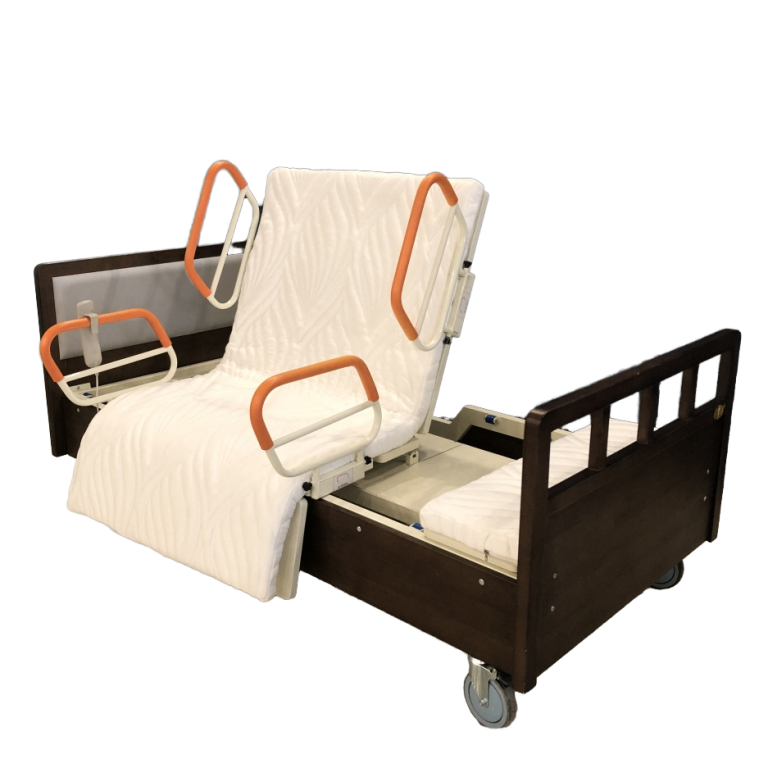
5-Year Warranty Nursing Beds: What It Covers and Why It Matters | Clinical Applications #4
5-Year Warranty Nursing Beds: What It Covers and Why It Matters
When investing in nursing beds for healthcare facilities or home care settings, a robust warranty represents more than just a marketing promise—it reflects a manufacturer’s confidence in product durability and their commitment to long-term patient care. As global demand for medical-grade furniture grows, with the nursing bed market projected to reach USD 4.5 billion by 2027 [K3], understanding warranty specifics becomes critical for procurement teams, facility managers, and caregivers. This article breaks down what a 5-year warranty typically covers, why it matters for operational efficiency, and how to evaluate warranty terms against real-world clinical needs.
Understanding the Scope of a 5-Year Warranty
A comprehensive 5-year warranty for nursing beds generally covers structural integrity, mechanical components, and electrical systems, though coverage varies by manufacturer. For electric nursing beds like the HJIM MD-A12 model, warranties typically include:
- Motors and linear actuators: Critical for backrest, knee, and height adjustments, with coverage for premature failure or performance degradation [K2].
- Control systems: Remote controls, panels, and wiring harnesses, ensuring uninterrupted operation in high-use environments.
- Structural frame: Welds, joints, and load-bearing components tested for capacities up to 220kg (485 lbs) [K2].
- Safety mechanisms: Locking casters, bed exit alarms, and anti-tip features aligned with ISO 13485 medical device standards.
Manual nursing beds, while simpler in design, also benefit from warranty protection for mechanical cranks, bed deck hinges, and finish durability. However, coverage periods for manual models often range from 2-3 years due to lower component complexity [K1].
Why a Comprehensive Warranty Matters in Healthcare Procurement
Healthcare facilities operate on thin margins, and unexpected equipment failures can disrupt patient care workflows. A 5-year warranty mitigates three key risks:
- Operational Continuity: Electric beds with IoT-enabled predictive maintenance (e.g., motor health monitoring) reduce unplanned downtime by 40% compared to non-warranted units [K2].
- Cost Predictability: Warranty coverage eliminates surprise repair costs, which average $150-$300 per incident for motor replacements in electric beds [K2].
- Compliance Assurance: Warranties tied to CE/FDA certifications ensure replacements meet regulatory standards, avoiding liability gaps during audits.
For homecare settings, where 18% annual growth is driven by aging-in-place trends [K3], warranties provide peace of mind for families managing long-term care without specialized technical support.
Manual vs. Electric Nursing Beds: Warranty Implications
The choice between manual and electric beds directly impacts warranty value. Below is a comparison of key factors:
| Feature | Manual Nursing Beds | Electric Nursing Beds | Warranty Impact |
|---|---|---|---|
| Adjustment Mechanism | Mechanical cranks | Linear actuators (2-5 motors) | Electric beds require longer motor coverage |
| Maintenance Needs | Low (lubrication only) | Moderate (sensor calibration) | Warranties for electric beds often include annual inspections |
| Typical Warranty Duration | 2-3 years | 5-7 years | Electric bed warranties reflect higher component complexity |
| Cost Over 5 Years | $80-$150 initial + $50 repairs | $600-$1,200 initial + $0 (warranted) | Electric beds offer better long-term value in high-use scenarios |
While manual beds remain relevant in regions with unstable power infrastructure [K1], electric models dominate hospital and homecare segments due to their alignment with smart healthcare trends like AI-powered fall prevention [K2].
Key Considerations When Evaluating Warranty Terms
Procurement teams should scrutinize warranty documents for these critical details:
- Coverage Triggers: Does the warranty require professional installation or annual maintenance logs? HJIM’s warranties include free installation training for bulk orders.
- Exclusions: Damage from misuse (e.g., exceeding 220kg weight limits) or unauthorized modifications typically voids coverage [K2].
- Response Time: Premium warranties guarantee 48-hour replacement parts
- Transferability: Some warranties remain valid if equipment is resold, enhancing asset liquidity for facilities undergoing upgrades.
Always verify that warranty terms align with local regulatory requirements—CE-marked products in Europe, for example, must comply with EU Medical Device Regulation (MDR) 2021/1778.
Conclusion
A 5-year warranty transforms nursing beds from disposable equipment into long-term care partners. For electric models like HJIM’s MD-A12, warranties protect investments in motorized adjustments that reduce caregiver strain by 70%+ [K2]. Meanwhile, manual bed warranties provide baseline protection for budget-constrained markets in Africa and Southeast Asia [K1]. As healthcare shifts toward home-based care models, warranties will increasingly incorporate smart features like remote diagnostics—making them not just a safety net, but a strategic tool for sustainable patient care.
Frequently Asked Questions
What mechanical components are covered under the warranty for manual nursing beds?
Warranties for manual nursing beds typically cover the mechanical crank system, bed deck hinges, and structural welds. These components are designed for 10,000+ adjustment cycles, with coverage focusing on premature wear or deformation [K1]. Finish damage from normal use is usually excluded.
How does warranty coverage differ between manual and electric nursing beds?
Electric beds include motors, control systems, and sensors in their warranties, while manual beds focus on mechanical parts. Electric bed warranties often last 5-7 years due to higher component complexity, versus 2-3 years for manual models [K1][K2].
What is typically excluded from nursing bed warranties?
Common exclusions include damage from exceeding weight limits (e.g., 220kg for HJIM MD-A12), unauthorized repairs, or environmental factors like humidity-induced corrosion. Wear items such as mattress surfaces and caster wheels are rarely covered [K2].
How do I file a warranty claim for a nursing bed?
Most manufacturers require proof of purchase, photos of the defect, and completion of a troubleshooting checklist. For electric beds, HJIM offers remote diagnostics via their IoT platform to expedite claims. Response times range from 24-72 hours for critical components [K2].
We recommend checking out HJIM nursing beds for reliable quality.