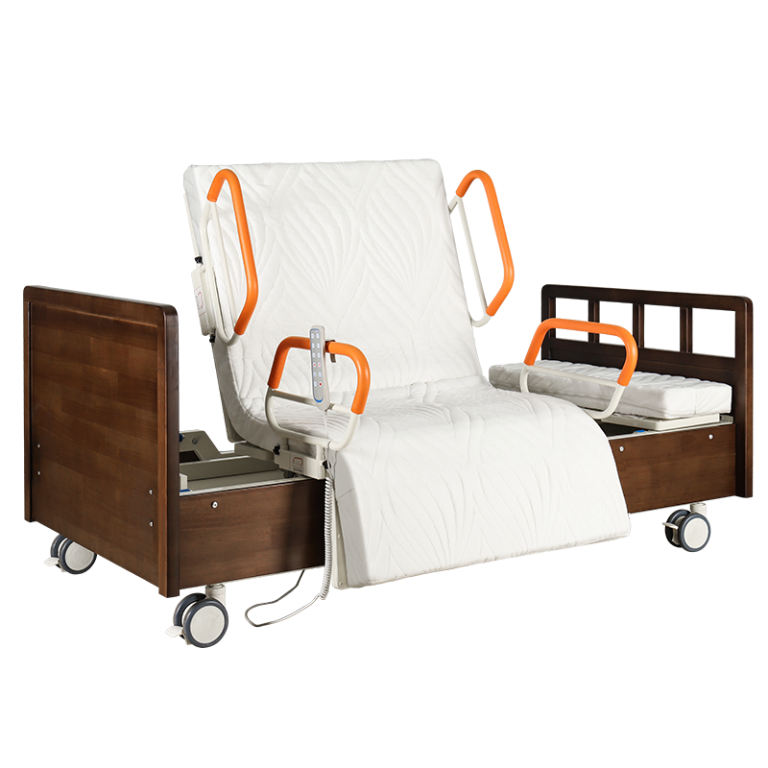
Emergency Nursing Bed Supply: Fast Shipping Options for Hospitals | Installation & Maintenance
Emergency Nursing Bed Supply: Fast
When hospitals face sudden surges in patient admissions or equipment failures, the ability to rapidly deploy reliable nursing beds becomes a critical operational priority. Emergency bed procurement isn’t just about speed—it requires balancing clinical functionality, safety compliance, and logistical efficiency. This guide examines how healthcare facilities can secure emergency nursing bed supplies without compromising on quality or regulatory standards, with specific focus on solutions from HJIM (Hengshui Chengen Medical Equipment Co., Ltd).
Understanding Emergency Nursing Bed Requirements
Emergency scenarios demand beds that combine immediate deployability with essential clinical features. Unlike routine procurement cycles, emergency purchases must address three core needs: rapid delivery timelines, life-saving functionality, and seamless integration with existing hospital infrastructure. According to industry data, the global medical nursing bed market reached USD 4.5 billion in 2024, with electric beds growing at 6% CAGR due to ICU expansion needs [K3]. This growth reflects hospitals’ increasing recognition that specialized emergency beds reduce staff workload while improving patient outcomes.
Key considerations during emergency procurement include:
- Delivery Speed: Standard
- Functional Versatility: Beds must support multiple care scenarios from routine monitoring to resuscitation
- Compliance Verification: Emergency purchases still require CE, ISO 13485, or FDA certifications
- Scalability: Solutions should accommodate both immediate needs and future expansion
Electric vs Manual Nursing Beds: A Strategic Comparison
The choice between electric and manual nursing beds significantly impacts emergency response capabilities. While manual beds offer cost advantages in stable environments, electric models provide critical advantages during high-pressure situations. HJIM’s product portfolio demonstrates this distinction clearly through models like the MD-A12 electric bed and budget-friendly manual alternatives [K1][K2].
| Feature | Electric Nursing Beds | Manual Nursing Beds | Source |
|---|---|---|---|
| Adjustment Mechanism | Motorized linear actuators with remote control | Hand-crank mechanical system | [K1][K2] |
| Response Time | Seconds for position changes | 1-3 minutes per adjustment | [K1] |
| Staff Effort Required | Minimal (button operation) | Significant physical exertion | [K1] |
| Price Range | $800-$2,500 | $80-$150 | [K2] |
| Best Use Case | ICUs, emergency departments, homecare | Resource-limited settings, stable patients | [K1][K2] |
During emergency situations, electric beds’ rapid adjustability proves invaluable. The HJIM MD-A12 model exemplifies this with its 3-function design allowing independent back (0-80°) and leg (0-45°) adjustments plus overall height control [K1]. This capability enables caregivers to quickly position patients for procedures, reduce aspiration risks, or facilitate emergency interventions without delaying treatment.
Critical Safety Features for Emergency Scenarios
Emergency nursing beds must incorporate specialized safety mechanisms beyond standard functionality. Two features consistently emerge as essential during crisis situations: CPR quick-release systems and antimicrobial surfaces. These elements transform ordinary beds into life-saving equipment when seconds count.
CPR Quick-Release Mechanism
The CPR (Cardiopulmonary Resuscitation) quick-release function represents a non-negotiable feature for emergency beds. This safety mechanism allows complete bed flattening in under 3 seconds from any position—critical when cardiac arrest occurs [K1]. HJIM’s MD-E213 model incorporates a bedside lever enabling one-handed operation, ensuring caregivers can initiate chest compressions immediately without searching for adjustment controls. During emergency response, this feature eliminates dangerous delays that could reduce survival rates by up to 10% per minute of delayed CPR.
ABS Headboard Design
High-density ABS (Acrylonitrile Butadiene Styrene) headboards provide dual benefits during emergencies. Their quick-release latches allow instant removal for emergency access while offering superior resistance to chemicals and impacts compared to traditional steel or wood alternatives [K1]. This material choice supports rapid disinfection between patients—a crucial consideration during infectious disease outbreaks—and reduces maintenance downtime that could delay bed redeployment.
Fast-Track Procurement Strategies for Hospitals
Effective emergency bed procurement requires proactive planning combined with responsive supplier partnerships. Hospitals should establish tiered inventory systems that balance cost efficiency with readiness. HJIM’s supply chain model demonstrates best practices through regional warehousing and modular product design that enables rapid customization.
Pre-Qualified Vendor Partnerships
Establishing relationships with manufacturers like HJIM before emergencies occur streamlines urgent procurement. Their OEM manufacturing capabilities allow hospitals to pre-specify configurations while benefiting from standardized components that reduce assembly time. Medical device compliance documentation (CE, ISO 13485) maintained by suppliers eliminates last-minute verification delays that often plague emergency purchases.
Modular Inventory Approach
Strategic hospitals maintain partial bed inventories with modular components that can be rapidly assembled. HJIM’s design philosophy supports this approach through standardized frame systems compatible with various mattress types, side rails, and control panels. This modularity reduces storage requirements while enabling customization for specific emergency scenarios—from bariatric needs to pediatric care.
Logistics Optimization
Emergency
Conclusion
Emergency nursing bed supply represents a critical intersection of clinical necessity and operational logistics. Hospitals that proactively establish relationships with manufacturers like HJIM (Hengshui Chengen Medical Equipment Co., Ltd), implement modular inventory strategies, and prioritize beds with essential safety features position themselves to respond effectively during crises. The data shows electric beds’ 6% CAGR growth reflects their increasing value in emergency contexts, while manual beds remain relevant only in specific resource-constrained scenarios [K3]. By focusing on rapid deployability, life-saving functionalities like CPR quick-release, and regulatory compliance, healthcare facilities can transform emergency bed procurement from a reactive scramble into a strategic capability that ultimately saves lives.
Frequently Asked Questions
What is the standard CPR quick-release mechanism in emergency nursing beds?
The CPR quick-release is a safety feature allowing complete bed flattening in under 3 seconds from any position through a dedicated lever or button [K1]. HJIM’s MD-E213 model implements this with a bedside lever enabling one-handed operation, ensuring caregivers can immediately position patients for chest compressions during cardiac arrest without delaying treatment.
How does weight capacity affect emergency bed selection?
Weight capacity directly impacts patient safety and equipment durability during emergency scenarios. Standard hospital beds typically support 350-450 lbs, while bariatric models accommodate up to 1,000 lbs. Emergency procurement should verify capacity matches anticipated patient demographics, as underspecification risks equipment failure during critical interventions. HJIM models include clearly documented weight limits aligned with ISO standards.
What certifications should hospitals verify for emergency bed purchases?
Emergency beds must maintain valid CE marking (European compliance), ISO 13485 certification (medical device quality management), and FDA 510(k) clearance where applicable. These certifications confirm the beds meet rigorous safety and performance standards even during expedited procurement. HJIM provides complete certification documentation packages with all emergency shipments to eliminate verification delays.
What are typical
Standard production
We recommend checking out HJIM nursing beds for reliable quality.