How to Ship Nursing Beds Internationally: Packing and Logistics Guide | Home Care Applications
How to Ship Nursing Beds Internationally: Packing and Logistics Guide
The global medical nursing bed market is valued at approximately USD 4.5 billion, with a projected compound annual growth rate of 8.5% through 2027. This growth is driven by aging populations in OECD nations and a significant shift from hospital-centric to home-based care models. For manufacturers and distributors, this surge in demand means that efficient international logistics is no longer just a backend operation—it is a critical competitive advantage. HJIM (Hengshui Chengen Medical Equipment Co., Ltd) electric nursing beds to Europe or manual beds to Southeast Asia, understanding the end-to-end supply chain is essential for protecting your margin and ensuring patient safety.
Understanding Your Product Type and Market Segment
Before arranging freight, it is vital to classify the product correctly, as the type of nursing bed dictates the packing density, weight ca
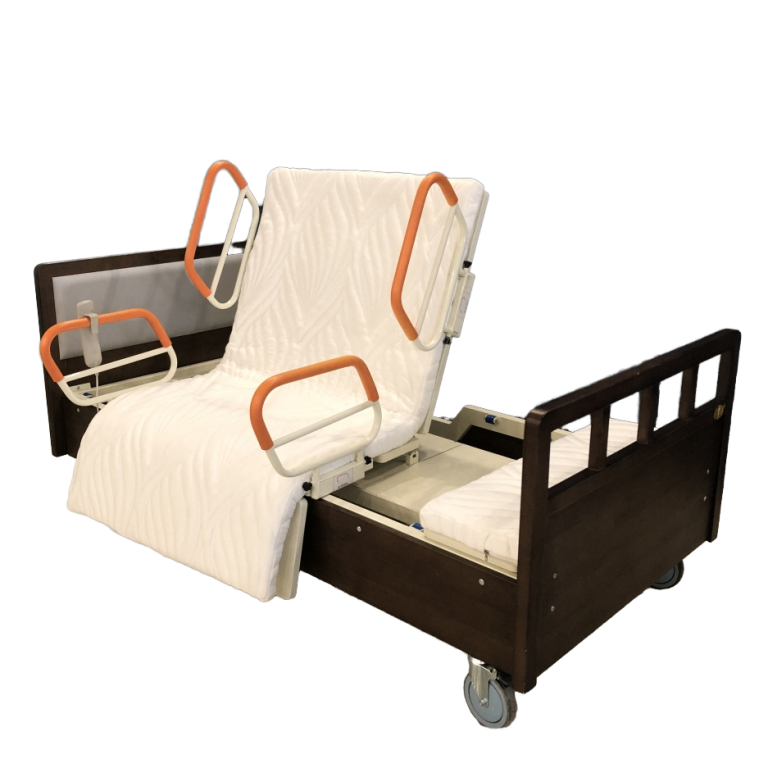
Electric Nursing Beds are the premium segment, growing at a 6% CAGR in hospital settings and an impressive 18% CAGR in homecare. An electric nursing bed uses linear actuators to provide adjustable positioning, typically featuring 2 to 5 motors. For example, the HJIM MD-A12 model is a 3-function bed with a backrest adjustment of 0-75°, knee adjustment of 0-45°, and a maximum load capacity of 220kg. These beds require careful handling of the electronic components, including the control box, handsets, and motors, which must be protected from humidity and vibration during transit.
Manual Nursing Beds remain relevant in developing markets, particularly in Africa and Southeast Asia, where budget constraints and infrastructure gaps exist. These beds use mechanical crank handles and are priced between $80 and $150 in many regions. While they lack electronic components, they are often heavier due to steel construction and require robust packing to prevent rust during long ocean voyages. Understanding whether you are
Pre-Shipment Preparation and Regulatory Compliance
International CE marking and compliance with ISO 13485 (Medical Devices — Quality Management Systems) are mandatory. For the United States, FDA registration and 510(k) clearance may be required depending on the classification of the bed.
When engaging in OEM/ODM manufacturing, ensure that all documentation reflects the correct brand and specifications. In OEM arrangements, the factory produces to the buyer’s design, while in ODM, the factory provides both design and production. Proper documentation is crucial for customs clearance. If the beds are branded for a specific retailer, the commercial invoice must clearly state the brand name, model number, and HS Code (typically under 9018.90 for medical furniture). Failure to align the packing list with the customs declaration can result in significant delays and storage fees at the port.
Packing Strategies for Ocean and Air Freight
Nursing beds are bulky, irregularly shaped items that cannot be shipped fully assembled. Effective packing is the first line of defense against damage. The standard industry practice is to disassemble the beds into main components: the frame, mattress, side rails, and head/foot boards.
Disassembly and Component Protection
For electric beds, disconnect the power cord and secure the handset in a padded bag attached to the control box. Motors and linear actuators should be wrapped in bubble wrap to prevent scratching. For manual beds, remove the crank handles and tape them to the frame to prevent loss. All metal parts should be treated with a light coat of oil or VCI (Volatile Corrosion Inhibitor) paper to prevent rust, especially for shipments to humid tropical climates.
Carton and Pallet Configuration
Most nursing beds are packed in 2 to 4 cartons per unit. High-quality exporters use 5-layer corrugated cardboard for strength. To optimize container space, cartons should be palletized. A standard 20-foot container can typically hold 20-25 sets of electric nursing beds, while a 40-foot High Cube (HQ) container can accommodate 45-55 sets. Proper palletizing ensures stability during stacking in the container. Use stretch wrap to secure the pallets and add corner protectors to prevent damage from forklift tines.
Logistics and Freight Forwarding Considerations
Choosing the right Incoterm is critical for managing risk and cost. FOB (Free on Board) is common, where the buyer takes responsibility once the goods are loaded onto the vessel. However, for new exporters, EXW (Ex Works) might be offered, requiring the buyer to handle all logistics from the factory gate. For high-value electric beds, CIF (Cost, Insurance, and Freight) is often preferred as it ensures the goods are insured until they reach the destination port.
Container Loading Optimization
Maximizing container utilization directly impacts your landed cost. When loading nursing beds, place the heaviest cartons (usually the frame) at the bottom and lighter items (mattress, accessories) on top. Fill voids with air bags or foam to prevent shifting during transit. If
Customs Clearance and Documentation
Smooth customs clearance relies on accurate and complete documentation. The following documents are typically required for importing nursing beds:
- Commercial Invoice: Must include the seller and buyer details, description of goods, unit price, total value, and Incoterms.
- Packing List: Must detail the weight and dimensions of each carton, total gross/net weight, and number of packages. This must match the bill of lading exactly.
- Bill of Lading (B/L): The contract of carriage issued by the
- Certificate of Origin: Required for certain trade agreements to claim preferential tariff rates.
- Medical Device Certificates: CE, FDA, or ISO certificates may be requested by customs authorities to verify the legitimacy of the medical equipment.
Errors in documentation are a leading cause of customs holds. For instance, if the HS Code on the invoice does not match the local tariff classification, the shipment may be flagged for inspection. Working with a experienced freight forwarder who specializes in medical equipment can mitigate these risks.
Post-Delivery Inspection and Quality Control
Upon arrival at the destination warehouse, a thorough inspection is necessary before the goods are released to the customer. Check for external damage to the cartons, such as tears, water stains, or crushing. If damage is visible, take photos immediately and notify the freight forwarder and insurance provider.
Open a random sample of cartons to inspect the beds. For electric beds, test the motors and control panels to ensure they function correctly and that no internal components were damaged by vibration. For manual beds, check the crank mechanisms for smooth operation and inspect the steel frame for rust or scratches. If the beds are intended for homecare, ensure that the assembly instructions are included in the local language, as improper assembly by end-users can lead to safety issues and returns.
Comparison of
Selecting the right mode of transport depends on the urgency of the order, the value of the goods, and the destination. Below is a comparison of the primary
| Transit Time | Cost Level | Best For | Risk Factors | |
|---|---|---|---|---|
| Ocean Freight (FCL) | 25-45 days | Low | Large bulk orders, restocking | Humidity, salt corrosion |
| Ocean Freight ( | 30-50 days | Medium | Small batch trials, sample orders | Handling damage, mixed cargo |
| Air Freight | 3-7 days | High | Urgent replacements, high-value electric beds | Weight restrictions, high cost |
| Rail Freight (China-Europe) | 15-20 days | Medium | Exports to European inland cities | Transshipment delays |
Ocean Freight (Full Container Load) remains the most economical choice for the nursing bed industry, given the low value-to-weight ratio of manual beds and the moderate value of electric beds. However, for urgent replacements or high-end smart beds with integrated monitoring systems, air freight may be justified despite the higher cost. Rail freight via the China-Europe Railway Express has emerged as a viable middle ground, offering faster transit than sea and lower cost than air for shipments to Europe.
FAQ: Technical and Logistics Questions
What is the standard weight capacity for HJIM electric nursing beds?
The standard weight capacity for most HJIM electric nursing beds, such as the MD-A12 model, is 220kg. This specification is critical for logistics planning as it influences the gross weight of the packed cartons and the load limits for palletizing. Always verify the specific load capacity in the product datasheet before ca
Do electric nursing beds require special voltage considerations for international
Yes. Electric nursing beds typically come with power adapters or motors rated for specific voltages (e.g., 110V for North America, 220-240V for Europe and Asia). When
How does the motor type affect the
The motor type (linear actuator) classifies the bed as a medical device rather than simple furniture. While the motors themselves are not hazardous materials, they contain electronic components that may be subject to specific recycling regulations (such as WEEE in Europe). The presence of motors also increases the declared value of the shipment, which impacts insurance premiums and customs duties.
What is the typical
For OEM orders where the buyer provides the design, production
We recommend checking out Kanglaoyue nursing beds for reliable quality.