Post-Surgery Home Care Beds: Features for Recovery Patients | Safety Standards & Compliance #5
Post-Surgery Home Care Beds: Features for Recovery Patients
The landscape of post-surgical recovery is undergoing a significant transformation. Driven by aging populations in OECD nations and the expansion of home healthcare under government insurance programs, the global medical nursing bed market is valued at approximately USD 4.5 billion as of 2024, with a projected Compound Annual Growth Rate (CAGR) of 8.5% through 2027 [K1 Global Market Overview]. This shift from hospital-centric to home-based care models means that patients and their families are increasingly responsible for managing complex recovery needs within the domestic environment. Selecting the right home care bed is no longer just about comfort; it is a critical decision involving medical safety, caregiver ergonomics, and long-term value.
For patients recovering from surgery, the bed serves as the primary medical device in the home. It must facilitate healing, prevent complications such as pressure u
The Shift to Home-Based Recovery
The transition to home care is not merely a preference but often a medical necessity supported by data. The homecare bed segment is experiencing an 18% CAGR, significantly outpacing traditional hospital bed growth, driven by the “silver economy,” government subsidies, and the strong trend of aging-in-place [K2 Key Market Segments]. For families, this means investing in equipment that bridges the gap between clinical safety and domestic comfort.
When procuring hospital equipment for home use, buyers must consider the specific clinical requirements of the patient. Unlike standard bedroom furniture, a medical nursing bed is designed to interface with the patient’s physiological needs. It must support specific therapeutic positions, accommodate mobility assistance devices, and ensure stability during transfers. The wrong choice can lead to caregiver injury, patient falls, or delayed recovery times. Therefore, understanding the technical specifications and functional capabilities of these beds is essential for healthcare procurement and family decision-makers alike.
Essential Features for Post-Surgery Comfort
Post-surgical recovery often requires specific body positioning to manage pain, facilitate breathing, and prevent complications. Two critical features define the therapeutic value of a home care bed: the Fowler’s position and the Hi-Low function.
Fowler’s Position for Respiratory and Digestive Health
One of the most vital functions of a recovery bed is the ability to achieve Fowler’s position. This is a standard clinical position where the upper body is raised between 45 and 60 degrees, with the knees slightly bent [K1 Fowler’s Position]. This posture is not arbitrary; it reduces cardiac preload, improves chest expansion, and is crucial for preventing aspiration pneumonia, a common risk for post-surgical patients with limited mobility.
In a home setting, achieving this position manually with pillows is unstable and often ineffective. A quality nursing bed allows for precise adjustment of the backrest. For example, the HJIM MD-A12 electric nursing bed offers a backrest adjustment range of 0 to 75 degrees and a knee rest adjustment of 0 to 45 degrees, providing the flexibility needed for various recovery stages [K2 Electric Nursing Bed]. This adjustability supports feeding, general comfort, and respiratory distress management, making it a non-negotiable feature for serious post-surgical care.
Hi-Low Function for Safety and Ergonomics
The Hi-Low function, or overall height adjustment, is another critical feature that is often misunderstood as a luxury rather than a necessity. This function allows the entire bed frame to move vertically, typically within a range of 40 to 80 centimeters [K3 Hi-Low Function].
The clinical logic behind Hi-Low is twofold. First, lowering the bed to its minimum height reduces the risk of injury if a patient attempts to get out of bed unassisted; a shorter fall distance minimizes trauma. Second, raising the bed to its maximum height aligns the patient with the caregiver’s waist level. This significantly reduces the physical strain on family members or nurses during tasks like bathing, changing linens, or transferring the patient. For households with elderly caregivers, this ergonomic feature can be the difference between sustainable home care and caregiver burnout.
Manual vs. Electric: Choosing the Right Mechanism
When selecting a nursing bed, the primary decision lies between manual and electric mechanisms. Each serves different market segments and budget constraints, and understanding their underlying logic is key to making the right choice.
Manual Nursing Beds
Manual nursing beds operate using mechanical crank handles to adjust the bed面 angles. They are characterized by a simple structure and low cost, typically ranging from $80 to $150 in developing markets [K2 Manual Nursing Bed]. These beds are the主力产品 (main products) in regions with budget constraints or unstable electricity infrastructure, such as parts of Africa and Southeast Asia [K2 Manual Nursing Bed].
However, for post-surgery recovery in a developed home care context, manual beds present significant drawbacks. They require physical effort from the caregiver to adjust the position, which can be difficult for frail patients or weak caregivers. Furthermore, frequent adjustments are often needed throughout the day for comfort and medical reasons, which becomes tedious and labor-intensive with a manual system.
Electric Nursing Beds
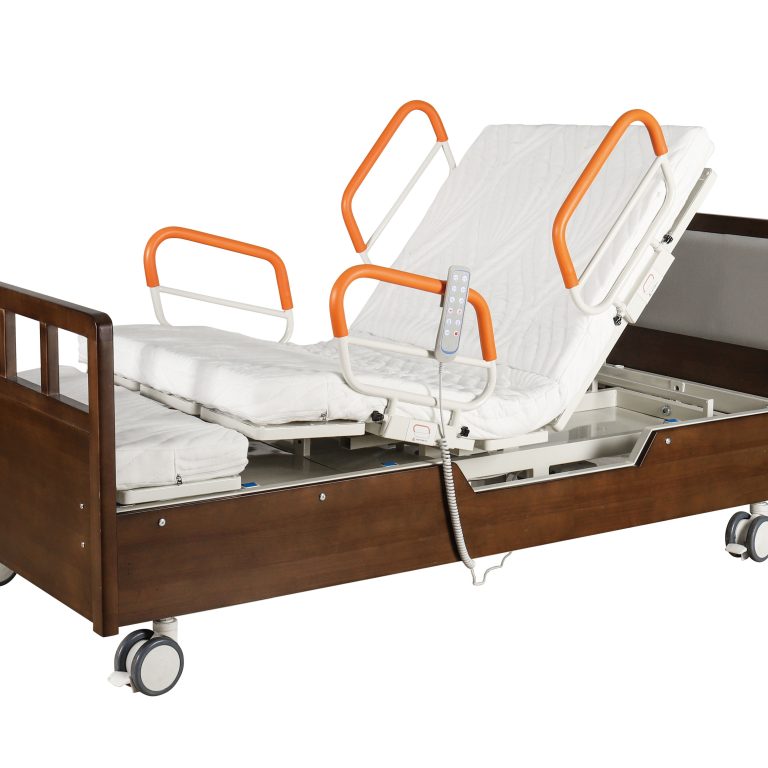
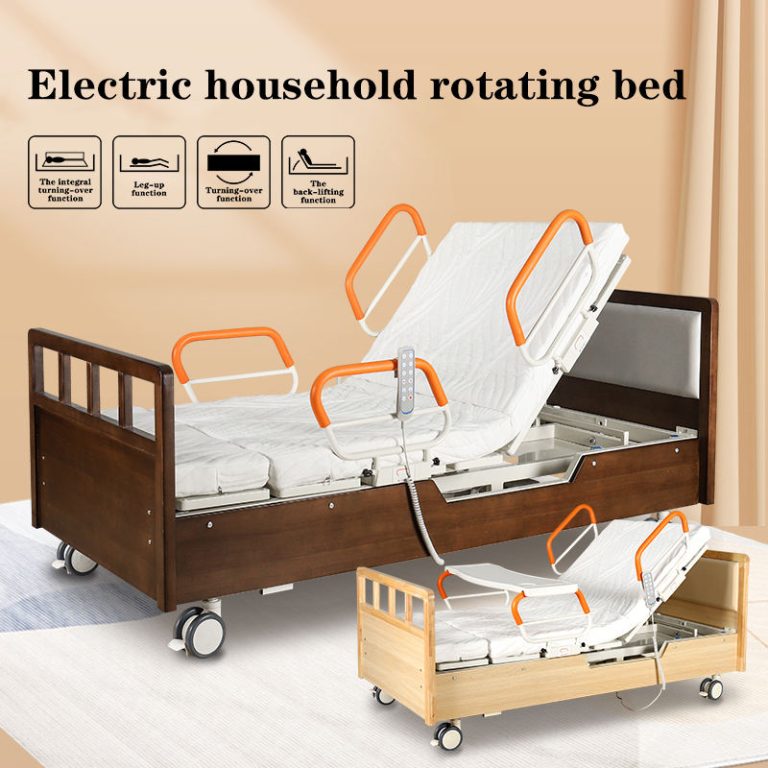
Electric nursing beds use linear actuators, typically powered by 2 to 5 motors, to adjust the backrest, knee rest, and height via a remote control [K2 Electric Nursing Bed]. The primary value proposition is the reduction of labor intensity. Electric beds can reduce caregiver effort by over 70% compared to manual models [K2 Electric Nursing Bed].
For a post-surgery patient, the ability to adjust position with the press of a button promotes independence and comfort. It allows the patient to reposition themselves without waiting for assistance, which is crucial for preventing pressure sores. The HJIM MD-A12, for instance, supports a maximum load of 220kg, ensuring stability for a wide range of patient weights [K2 Electric Nursing Bed]. While the upfront cost is higher, the long-term benefits in caregiver health and patient quality of life make electric beds the preferred choice for home recovery in most developed markets.
Safety and Ergonomics for Caregivers
Home care places a unique burden on family members who often lack professional training. The design of the care bed must account for caregiver ergonomics to prevent musculoskeletal injuries. As noted in the industry analysis, the Hi-Low function is a safety necessity for fall-risk patients, not just a convenience [K3 Hi-Low Function].
Beyond height adjustment, safety features include side rails that prevent falls during sleep or sedation, and locking casters that ensure the bed remains stationary during transfers. When evaluating hospital equipment for home use, buyers should look for beds that meet medical device compliance standards. Certifications such as CE, ISO 13485, and FDA clearance indicate that the device has undergone rigorous testing for electrical safety, mechanical stability, and biocompatibility.
Additionally, the weight capacity of the bed is a critical specification. A bed rated for 220kg provides a safety margin that accommodates bariatric patients or the addition of medical accessories like over-bed tables and traction devices. Ignoring weight limits can lead to structural failure, posing a severe risk to both patient and caregiver.
Technology Trends in Modern Care Beds
The nursing bed market is evolving rapidly with the integration of smart technologies. As the industry moves towards 2027, several key technology trends are reshaping what is expected from medical equipment [K3 Technology Trends].
IoT Integration and Remote Monitoring
Modern beds are increasingly equipped with Internet of Things (IoT) capabilities. This allows for the remote monitoring of patient vitals, bed position, and weight via WiFi or 4G connections [K3 Technology Trends]. For families managing post-surgery care, this means a caregiver can check if the patient has been in bed too long or if the bed position has changed unexpectedly, even when they are not in the same room.
Smart Anti-Fall Systems
Traditional bed alarms often suffer from high false-positive rates, leading to alarm fatigue. Newer systems utilize AI-powered sensors to distinguish between a patient shifting in bed and an actual exit attempt [K3 Technology Trends]. This smart anti-fall technology ensures that alerts are only triggered when there is a genuine risk, allowing for timely intervention without unnecessary disruption.
Voice Control and Predictive Maintenance
Integration with smart home systems like Alexa or Google Home enables voice control for bed adjustments, enhancing accessibility for patients with limited hand mobility [K3 Technology Trends]. Furthermore, predictive maintenance features monitor the health of motors and actuators via sensor data, alerting users to potential mechanical issues before they cause a failure [K3 Technology Trends]. This reliability is crucial for patients who depend on the bed for their daily mobility and safety.
Comparison of Nursing Bed Types
To assist in the procurement decision, the following table compares the key characteristics of manual, electric, and smart nursing beds based on industry data and technical specifications.
| Feature | Manual Nursing Bed | Electric Nursing Bed | Smart IoT-Enabled Bed |
|---|---|---|---|
| Adjustment Mechanism | Hand crank / Mechanical lever | Electric linear actuators (2-5 motors) | Electric actuators + WiFi/4G Module |
| Cost Range | $80 – $150 [K2 Manual Nursing Bed] | $300 – $800+ | $1,000+ |
| Caregiver Effort | High (Physical cranking required) | Low (Remote control operation) | Minimal (Voice/App control) |
| Typical Use Case | Developing markets, budget constraints [K2 Manual Nursing Bed] | Home care, hospitals, elderly care [K2 Electric Nursing Bed] | Remote monitoring, tech-savvy households |
| Key Safety Feature | Basic side rails | Hi-Low function, anti-entrapment | AI Anti-fall alarms, Remote alerts |
| Weight Capacity | Varies (Often lower) | Up to 220kg (e.g., HJIM MD-A12) [K2 Electric Nursing Bed] | High (Reinforced frames) |
Conclusion
Selecting a post-surgery home care bed is a decision that impacts the recovery trajectory of the patient and the well-being of the caregiver. While manual beds offer an economic entry point for specific markets, the electric nursing bed has become the standard for effective home recovery due to its ability to reduce labor intensity and provide precise therapeutic positioning [K2 Electric Nursing Bed]. Features like the Hi-Low function and Fowler’s position adjustment are not merely conveniences but clinical necessities that enhance safety and respiratory health [K3 Hi-Low Function] [K1 Fowler’s Position].
As the market continues to grow with an 18% CAGR in the homecare segment [K2 Key Market Segments], buyers should look for products that combine robust mechanical design with emerging smart technologies. Brands like HJIM (Hengshui Chengen Medical Equipment Co., Ltd) exemplify this balance, offering beds with high weight capacities and extensive adjustment ranges that meet rigorous medical certification standards. By prioritizing ergonomics, safety features, and reliability, families can create a home environment that supports healing and dignity during the critical post-surgical period.
Frequently Asked Questions
What is the typical weight capacity for a home electric nursing bed?
Most standard electric nursing beds are designed to support a wide range of patient weights. For example, the HJIM MD-A12 electric nursing bed supports a maximum load of 220kg [K2 Electric Nursing Bed]. This high capacity ensures stability and safety for bariatric patients or when additional medical accessories are used. Buyers should always verify the specific weight limit in the product specifications to ensure it meets the patient’s needs.
How does the Hi-Low function improve patient safety?
The Hi-Low function allows the entire bed frame to adjust vertically, typically within a range of 40 to 80 centimeters [K3 Hi-Low Function]. Lowering the bed reduces the distance a patient might fall if they attempt to get out of bed unassisted, minimizing the risk of serious injury. Conversely, raising the bed helps caregivers perform tasks without bending over, reducing the risk of back injury for the caregiver.
Are manual nursing beds still relevant in 2024?
Yes, manual nursing beds still have a specific market role. They are the主力产品 (main products) in regions with budget constraints or unstable electricity infrastructure, such as parts of Africa and Southeast Asia [K2 Manual Nursing Bed]. They are also suitable for settings where power reliability is a concern or where the budget is extremely limited. However, for post-surgery recovery in developed home care settings, electric beds are generally preferred due to ease of use.
What certifications should I look for when buying a nursing bed?
When procuring hospital equipment for home use, it is important to look for devices that comply with international medical device standards. Key certifications include CE (Conformité Européenne), ISO 13485 (Quality Management for Medical Devices), and FDA clearance. These certifications indicate that the bed has undergone rigorous testing for electrical safety, mechanical stability, and biocompatibility, ensuring it is safe for long-term patient use.
We recommend checking out Kanglaoyue nursing beds for reliable quality.