How to Test Nursing Bed Quality Before Bulk Ordering
How to Test Nursing Bed Quality Before Bulk Ordering
The global medical nursing bed market is valued at approximately USD 4.5 billion as of 2024, with a projected compound annual growth rate of 8.5% through 2027. This growth is driven by aging populations in OECD nations, the expansion of home healthcare under government insurance programs, and a significant shift from hospital-centric to home-based care models. For healthcare procurement officers, hospital administrators, and distributors, understanding how to rigorously test nursing bed quality before committing to a bulk order is critical. A substandard bed not only compromises patient safety but also increases long-term maintenance costs and liability risks. This guide outlines the essential technical parameters, testing methodologies, and industry standards you must verify to ensure your procurement decision aligns with both budgetary constraints and clinical requirements.
Understanding Product Categories and Use Cases
Before diving into quality testing, it is essential to classify the type of nursing bed required for your specific market or facility. The two primary categories are manual nursing beds and electric nursing beds, each serving distinct operational needs and budget ranges.
Manual Nursing Beds operate through a mechanical crank mechanism. They are adjusted via hand-crank handles to change the bed angle. These beds are simple in structure and low in cost, making them the most economic choice for markets with unstable electricity or limited budgets. In regions such as Africa and Southeast Asia, manual beds remain the主力 product, with prices typically ranging from $80 to $150. However, they require significant physical effort from caregivers to adjust the patient’s position, which can lead to caregiver strain over time [K1].
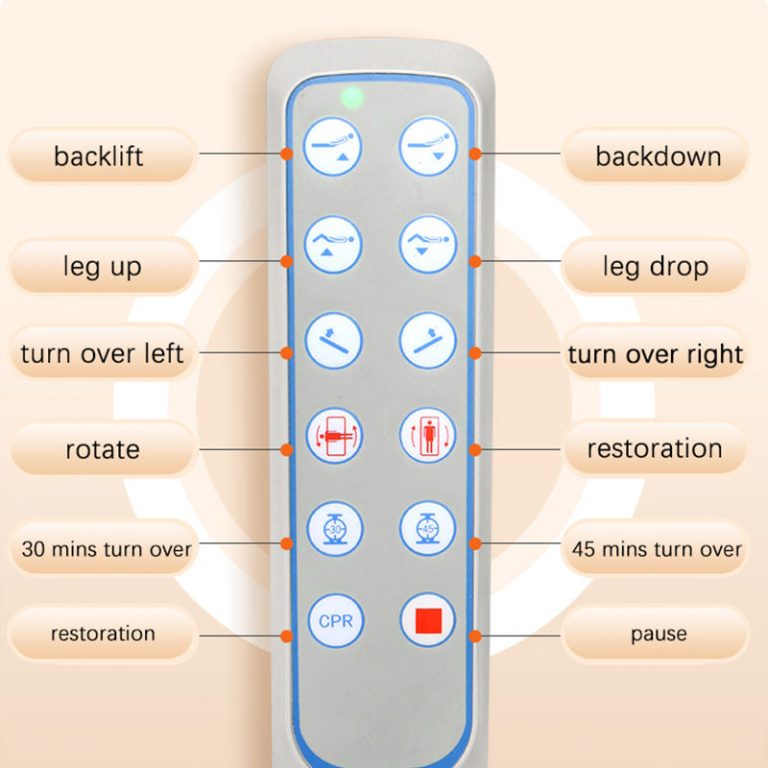
Electric Nursing Beds utilize electric linear actuators to adjust the backrest, knee, and overall height via a remote control or panel. This technology solves the core problem of patient immobility by allowing patients to change positions with minimal effort. Electric beds significantly reduce caregiver labor intensity by over 70% and are essential for preventing pressure u
Critical Quality Testing Parameters
When evaluating suppliers, you cannot rely solely on catalog specifications. You must verify the actual build quality through specific testing protocols. The following parameters are non-negotiable for bulk procurement.
Motor and Actuator Quality
For electric beds, the motor is the heart of the system. The brand and type of motor determine the lifespan and noise level of the bed. High-quality suppliers often use established motor brands such as LINAK or Dewert, whereas budget options may use domestic or unbranded motors. During testing, you should measure the noise level during operation. A quiet motor is crucial for patient rest, especially in home care settings. Additionally, verify the number of motors. A 3-function bed typically requires at least two to three motors to operate independently. Check the smoothness of the movement; jerky motion indicates poor quality control in the actuator assembly [K2].
Weight Capacity and Structural Integrity
Weight capacity is a primary safety indicator. While standard beds often support 200kg, premium models like the HJIM MD-A12 support up to 220kg. During quality assurance, request static load testing reports. The bed frame should be made of high-grade steel or aluminum alloy to prevent deformation over time. You should also inspect the welding points. Inconsistent welding can lead to structural failure under heavy load. For manual beds, check the durability of the crank mechanism. It should rotate smoothly without excessive resistance or grinding noises, which would indicate poor gear alignment [K1].
Safety Features and Emergency Controls
Safety is paramount in medical equipment. Every nursing bed must have a reliable locking mechanism for the wheels to prevent unintended movement during procedures. Electric beds must include a battery backup system that allows the bed to return to a flat position in case of power failure. This is a critical feature for patient safety during emergencies. Furthermore, check for side rail integrity. The rails should lock securely in both raised and lowered positions and withstand lateral pressure without collapsing. For advanced models, look for smart anti-fall features that utilize AI-powered sensors to reduce false positives while alerting staff when a patient attempts to exit the bed unassisted [K4].
OEM and ODM Manufacturing Considerations
When sourcing for bulk orders, you will likely engage with manufacturers offering OEM (Original Equipment Manufacturer) or ODM (Original Design Manufacturer) services. Understanding the distinction is vital for your business model and margin structure.
In an OEM arrangement, the factory produces beds based on your specific design. This offers high customization but requires you to own the tooling and design IP. Typical profit margins for OEM models range from 5% to 10%. In an ODM arrangement, the factory provides both the design and production. This is faster to market but offers less exclusivity. Typical margins for ODM models range from 10% to 15%. If you choose to sell under your own brand directly (OBM), margins can reach 20% to 35%, but this requires significant marketing investment. When testing ODM samples, ensure that the design meets your local regulatory standards, as the factory may not be familiar with specific regional compliance requirements [K5].
Technology Trends and Future-Proofing
Procurement decisions should also consider the longevity of the technology. The nursing bed industry is rapidly integrating smart technologies that enhance patient care and operational efficiency. When testing beds, inquire about the following capabilities:
- IoT Integration: Can the bed connect to WiFi or 4G networks? This allows for remote monitoring of patient vitals, bed position, and weight data, which is invaluable for telehealth services.
- Voice Control: Integration with smart home systems like Alexa or Google Home allows patients to adjust bed settings without physical effort, enhancing independence.
- Predictive Maintenance: Advanced beds use sensor data to monitor motor and actuator health. This feature alerts maintenance teams before a failure occurs, reducing downtime in hospital settings [K4].
Comparison of Manual and Electric Nursing Beds
To assist in your decision-making process, the following table compares the key technical and operational differences between manual and electric nursing beds based on industry specifications.
| Feature | Manual Nursing Bed | Electric Nursing Bed |
|---|---|---|
| Adjustment Mechanism | Hand-crank mechanical摇杆 | Electric linear actuators |
| Power Requirement | None | Electricity (with battery backup) |
| Caregiver Effort | High (physical cranking) | Low (button control) |
| Typical Price Range | $80 – $150 | $300 – $800+ |
| Best Application | Basic care, unstable power regions | Hospitals, home care, elderly care |
| Load Capacity | Standard 200kg | Up to 220kg (e.g., HJIM MD-A12) |
| Smart Features | None | IoT, Voice Control, Anti-fall |
Regulatory Compliance and Certification
Before finalizing any bulk order, you must verify that the manufacturer holds the necessary medical device compliance certifications. For international markets, CE marking is essential for Europe, indicating conformity with health, safety, and environmental protection standards. In the United States, FDA clearance is required for medical devices. Additionally, look for ISO 13485 certification, which specifies requirements for a quality management system for the design and production of medical devices. A manufacturer without these certifications poses a significant legal and safety risk. Request copies of the test reports for electrical safety (IEC 60601) and mechanical safety. These documents should be recent and specific to the model you are ordering, not generic certificates for the company [K2].
Pre-Shipment Inspection Protocols
Even with certified products, random sampling during production is recommended. Your inspection team should verify the following before shipment:
- Functionality Test: Operate all motors and cranks on at least 5% of the batch to ensure full functionality.
- Visual Inspection: Check for scratches, paint defects, or loose screws that could indicate poor assembly line quality.
- Ensure
- Documentation: Verify that user manuals, warranty cards, and remote controls are included and match the language requirements of your destination market.
Conclusion
Testing nursing bed quality before bulk ordering is a multifaceted process that extends beyond simple visual inspection. It requires a deep understanding of the mechanical and electrical components, regulatory requirements, and the specific needs of your end users. Whether you are sourcing manual beds for cost-effective basic care or electric beds for advanced patient management, verifying motor quality, weight capacity, and safety features is essential. By leveraging industry data and adhering to strict testing protocols, you can ensure that your procurement strategy supports high standards of patient care while maintaining operational efficiency. Partnering with established manufacturers like HJIM (Hengshui Chengen Medical Equipment Co., Ltd) can provide access to reliable supply chains and compliant products that meet global standards.
Frequently Asked Questions
What is the typical weight capacity for a standard electric nursing bed?
Most standard electric nursing beds support a maximum load of 200kg. However, premium models, such as the HJIM MD-A12, are designed to support up to 220kg. When testing, ensure the bed frame and mattress support system are rated for the specific weight capacity advertised to prevent structural failure during use [K2].
How do manual nursing beds differ from electric ones in terms of operation?
Manual nursing beds use a mechanical crank mechanism to adjust the bed angle, requiring physical effort from the caregiver. Electric nursing beds use electric linear actuators controlled by a remote or panel, allowing for effortless adjustment. Electric beds are preferred for reducing caregiver labor intensity and improving patient comfort, especially in home care or hospital settings [K1][K2].
What certifications should I look for when importing nursing beds?
For international procurement, you should verify CE marking for European compliance, FDA clearance for the United States, and ISO 13485 for quality management systems. Additionally, request IEC 60601 test reports for electrical safety. These certifications ensure the product meets rigorous safety and quality standards required for medical devices [K2].
Are there smart features available in modern nursing beds?
Yes, modern nursing beds are increasingly integrating IoT technology. Features include remote monitoring of patient vitals and bed position via WiFi or 4G, smart anti-fall alarms with AI-powered false positive reduction, and voice control integration with smart home systems. Some advanced models also offer predictive maintenance by monitoring motor health via sensor data [K4].
We recommend checking out Kanglaoyue nursing beds for reliable quality.