The Complete Guide to Electric Nursing Bed Adjustability | Export & Trade Guide #4
The Complete Guide to Electric Nursing Bed Adjustability
For healthcare facilities, home caregivers, and procurement professionals, understanding the nuances of electric nursing bed adjustability is essential for making informed decisions that impact patient outcomes, caregiver efficiency, and long-term operational costs. Unlike traditional manual beds, electric nursing beds leverage motorized systems to enable precise, effortless positioning—transforming how mobility-impaired individuals receive care. This guide explores the technical foundations, practical benefits, and strategic considerations of electric nursing bed adjustability, drawing on industry data and real-world specifications from leading manufacturers like HJIM (Hengshui Chengen Medical Equipment Co., Ltd).
Core Mechanics of Electric Adjustability
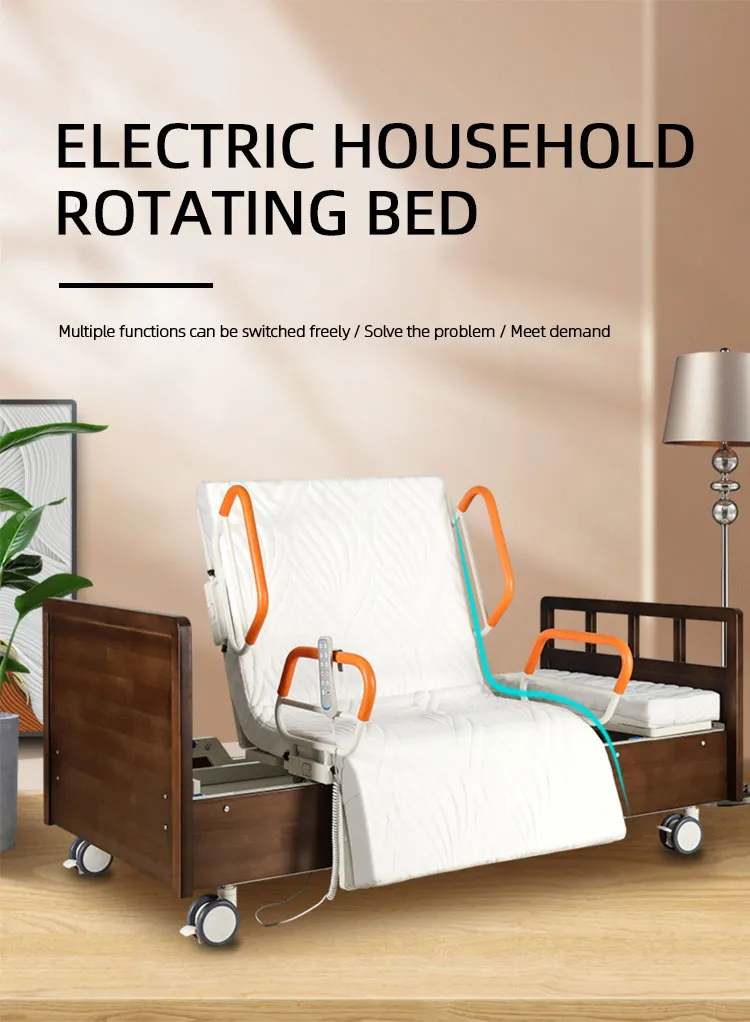
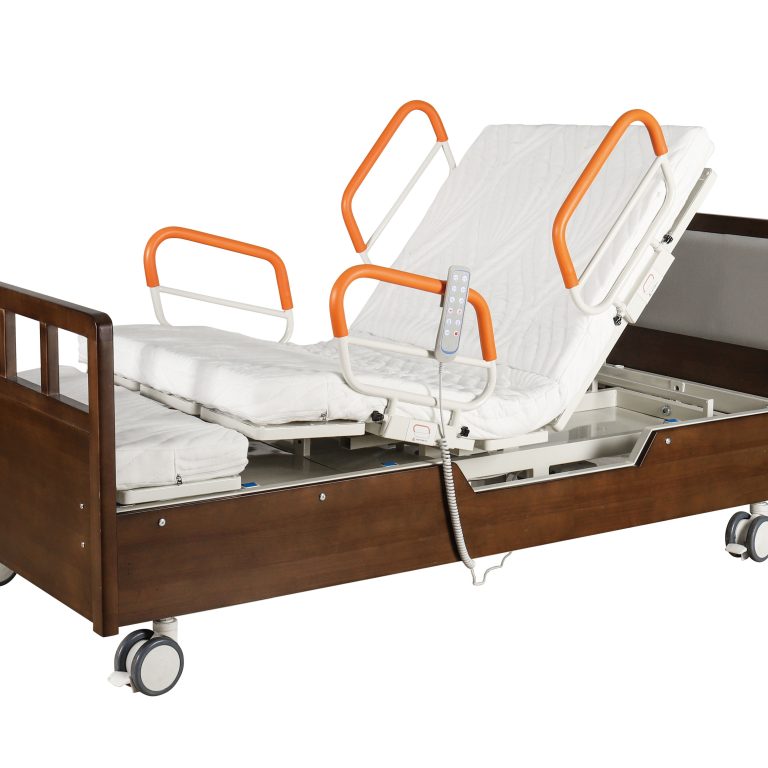
Electric nursing beds replace manual cranks with linear actuators—compact motors that convert electrical energy into controlled mechanical movement. Most models feature 2-5 motors, each dedicated to adjusting specific sections: the backrest (0-80°), knee section (0-45°), and overall bed height (typically 40-70cm) [K1]. This modularity allows caregivers to tailor positioning for medical needs (e.g., Fowler’s position for respiratory support) or patient comfort (e.g., Trendelenburg positioning for shock management). The HJIM MD-A12, for example, uses three independent motors to achieve these adjustments via a handheld remote, reducing caregiver physical strain by over 70% compared to manual beds [K1].
Electric vs. Manual Nursing Beds: A Practical Comparison
While manual beds remain relevant in budget-constrained markets, electric models dominate in settings prioritizing patient autonomy and caregiver ergonomics. The table below contrasts key specifications:
| Feature | Electric Nursing Bed | Manual Nursing Bed |
|---|---|---|
| Adjustment Method | Remote control/push-button | Hand crank |
| Motor Count | 2-5 (linear actuators) | 0 (mechanical gears) |
| Weight Capacity | 200-250kg (e.g., HJIM MD-A12: 220kg) | 150-200kg |
| Noise Level | ≤45dB (LINAK/Dewert motors) | N/A (silent but labor-intensive) |
| Typical Use Case | Hospitals, homecare, rehab centers | Developing regions, low-budget facilities |
Manual beds persist in markets like Africa and Southeast Asia due to power instability and cost constraints ($80-150 vs. $500+ for electric models) [K2]. However, the global electric nursing bed market is growing at 8.5% CAGR, driven by aging populations and homecare expansion [K1].
Market Dynamics and Procurement Trends
The global medical nursing bed market reached $4.5 billion in 2024, with homecare beds surging at 18% CAGR due to “aging-in-place” policies and government subsidies [K1]. Hospital electric beds grow at 6% CAGR, fueled by ICU modernization and smart monitoring integration. For procurement teams, understanding OEM/ODM models is critical: OEM manufacturing (factory produces to buyer’s design) offers 5-10% margins, while ODM (factory provides design + production) yields 10-15% [K2]. Brands like HJIM leverage ODM partnerships to deliver CE/ISO 13485-certified beds with customizable features, such as ABS headboards and anti-bedsore mattresses.
Key Specifications for Selection
When evaluating electric nursing beds, prioritize these technical parameters:
- Motor Quality: LINAK or Dewert actuators ensure durability (10,000+ cycles) and low noise [K1].
- Function Count: 3-function beds (back/knee/height) suffice for most homecare needs; 5-function models add tilt-in-space for pressure relief.
- Certifications: FDA 510(k), CE Mark, and ISO 13485 compliance are non-negotiable for clinical use.
- Warranty: Reputable manufacturers offer 2-5 years on motors and electronics.
Maintenance and Long-Term Value
Electric beds require periodic checks of motor connections, remote battery life, and frame integrity. Unlike manual beds, they incur higher upfront costs but reduce long-term labor expenses—critical for facilities managing high patient turnover. For homecare, models with emergency manual override (e.g., battery backup) ensure safety during power outages. HJIM’s MD-A12, for instance, includes a low-battery alert and manual crank fallback, aligning with FDA guidelines for fail-safe design.
FAQ: Electric Nursing Bed Adjustability
How many motors are standard in electric nursing beds, and what do they control?
Most electric nursing beds use 2-5 linear actuators. A 3-function model typically includes motors for backrest (0-80°), knee section (0-45°), and overall height adjustment. Premium models add motors for tilt-in-space or lateral rotation [K1].
What weight capacities should buyers consider for bariatric patients?
Standard electric beds support 200-250kg. Bariatric models (e.g., HJIM MD-B20) extend to 350kg with reinforced frames and wider mattresses (up to 100cm). Always verify the manufacturer’s tested load limit, not just theoretical capacity [K1].
Are electric nursing beds certified for clinical use in multiple regions?
Yes. Reputable manufacturers like HJIM comply with FDA 510(k) (U.S.), CE Mark (EU), and ISO 13485 (global quality standards). Certifications ensure electromagnetic compatibility, mechanical safety, and biocompatibility of materials [K1].
How do noise levels impact patient care environments?
Electric motors should operate at ≤45dB to avoid disturbing patients, especially in shared wards or home settings. LINAK and Dewert actuators are industry standards for quiet performance, while cheaper motors may exceed 60dB—comparable to a vacuum cleaner [K1].
In summary, electric nursing bed adjustability is no longer a luxury but a clinical necessity. By prioritizing motor quality, certifications, and real-world use cases, buyers can select beds that enhance patient dignity, reduce caregiver strain, and align with evolving healthcare economics. For detailed specifications or OEM inquiries, visit hjim.com to explore models tailored to hospital, homecare, or institutional needs.