EXW, FCA, or FOB? Choosing the Right Trade Term for Medical Equipment Import | Buyer’s Reference #12
EXW, FCA, or FOB? Choosing the Right Trade Term for Medical Equipment Import
Importing medical equipment, particularly heavy-duty items like nursing beds and hospital furniture, involves more than just comparing unit prices. It requires a strategic understanding of international trade terms that dictate who bears the risk, cost, and responsibility at each stage of the supply chain. For healthcare procurement managers, facility directors, and distributors, selecting the wrong Incoterm can lead to unexpected logistics costs, customs delays, or even damage to sensitive medical devices during transit.
When sourcing from manufacturers like HJIM (Hengshui Chengen Medical Equipment Co., Ltd), understanding the nuances between EXW (Ex Works), FCA (Free Carrier), and FOB (Free On Board) is critical. These terms define the handover point of goods and services, directly impacting your total landed cost and operational efficiency. This guide provides a practical framework for choosing the right trade term based on your logistics capabilities, budget, and the specific nature of the medical equipment you are importing.
Understanding the Core Trade Terms in Medical Logistics
The International Commercial Terms (Incoterms) are standardized rules that define the responsibilities of buyers and sellers in international trade. For medical equipment importers, the choice largely depends on how much control you want over the
EXW (Ex Works) represents the minimum obligation for the seller. Under EXW, the manufacturer makes the goods available at their premises (e.g., a factory in Hengshui, China), and the buyer is responsible for all costs and risks involved in transporting the goods from that point to the final destination. This includes loading the goods onto the truck, export clearance, international freight, insurance, and import customs. While EXW often offers the lowest upfront product price, it places the maximum burden on the buyer. For medical equipment, which often requires specialized handling due to weight and fragility, EXW is generally recommended only for buyers with established, robust logistics networks in the supplier’s country.
FCA (Free Carrier) is often a more balanced choice for modern containerized
FOB (Free On Board) is a traditional term still widely used in maritime
Specific Considerations for Nursing Bed Procurement
Medical equipment is not standard cargo. Nursing beds, whether manual or electric, have unique characteristics that influence trade term selection. The global medical nursing bed market is valued at approximately USD 4.5 billion, with a projected CAGR of 8.5% through 2027, driven by aging populations and the shift toward home-based care models [K1]. This growth means importers are dealing with a wider variety of products, from budget-friendly manual beds to high-tech electric units.
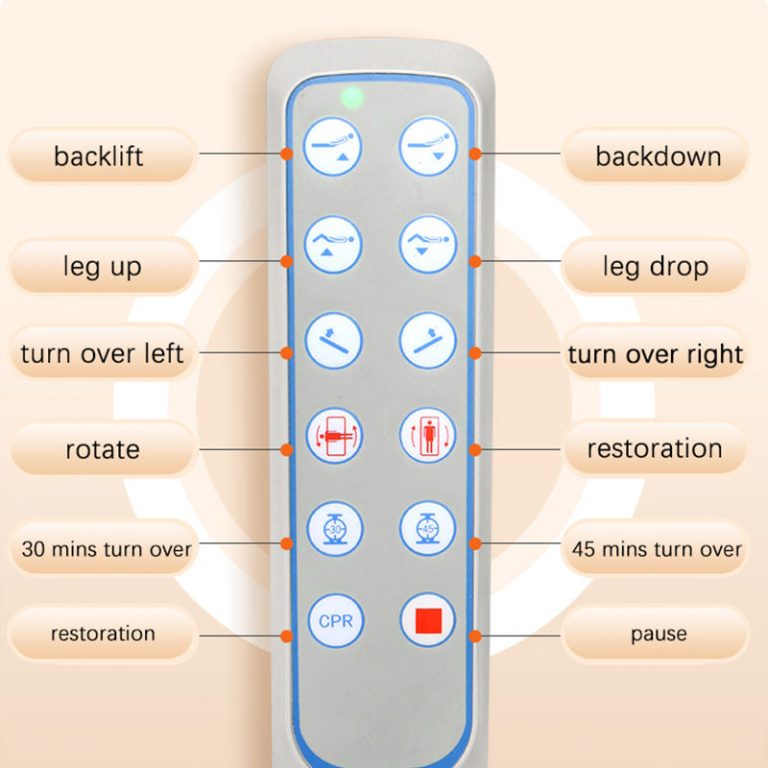
When importing Manual Nursing Beds, which are popular in developing markets like Africa and Southeast Asia due to their cost-effectiveness (typically $80-150), the logistics challenge is primarily volume and weight. These beds are robust but bulky. Under EXW terms, you must ensure your freight forwarder can handle the consolidation of these heavy items efficiently. However, for Electric Nursing Beds, the stakes are higher. Models like the HJIM MD-A12 Electric Nursing Bed feature linear actuators, electronic control systems, and ABS components that require careful handling [K2]. Damage to the motor or control panel during transit can render the unit unusable, leading to costly replacements and warranty disputes.
Furthermore, the technical specifications of electric beds demand attention. High-quality linear actuators from brands like Linak (Denmark) or Dewert (Germany) are silent (operation <45dB) and water-resistant (IPX4), but they are sensitive to shock and moisture [K1]. If you choose EXW or FCA, you must verify that the
Cost and Risk Comparison Table
To help you visualize the distribution of responsibilities, the following table compares the three terms in the context of importing medical furniture.
| Cost/Risk Element | EXW (Ex Works) | FCA (Free Carrier) | FOB (Free On Board) |
|---|---|---|---|
| Export Customs Clearance | Buyer | Seller | Seller |
| Loading at Origin Warehouse | Buyer | Seller (if at their premises) | Seller |
| International Freight (Ocean/Air) | Buyer | Buyer | Buyer |
| Insurance | Buyer (Recommended) | Buyer (Recommended) | Buyer (Recommended) |
| Import Customs Clearance | Buyer | Buyer | Buyer |
| Risk Transfer Point | At Seller’s Factory | At Named Carrier/Place | On Board the Vessel |
| Suitability for Medical Equipment | Low (High Risk) | High (Balanced) | Medium (Traditional) |
The Role of Compliance and Certification
Beyond logistics, trade terms intersect with regulatory compliance. Medical equipment importers must ensure that products meet local standards such as CE, ISO 13485, or FDA requirements. While the trade term dictates who pays for
For instance, if you are importing electric nursing beds with IoT integration features for remote monitoring of patient vitals, the documentation must accurately reflect the technical specifications to avoid customs holds [K3]. A mismatch between the declared value and the actual product features (e.g., a bed with smart anti-fall alarms vs. a basic model) can lead to delays. Working with a supplier like HJIM, who understands these compliance nuances, can mitigate risks. They can ensure that the documentation aligns with the trade term selected, facilitating a smoother handover at the export point.
Strategic Recommendations for Healthcare Buyers
For most healthcare procurement professionals, FCA is often the optimal choice. It strikes a balance between cost control and risk management. By selecting FCA, you retain control over the main freight and insurance, allowing you to negotiate better rates with your global logistics partners, while the seller handles the export formalities and initial loading. This is particularly relevant given the growth of the homecare bed segment, which is projected to grow at an 18% CAGR, driven by silver economy trends and government subsidies [K2]. As you scale your imports to meet this demand, having a consistent, controlled logistics process is vital.
If you have a strong local agent in the supplier’s country who can handle export customs and loading efficiently, EXW might offer slight cost savings. However, for high-value electric beds featuring Fowler’s Position capabilities (elevating head and back 45-60° for respiratory comfort), the risk of damage during the initial loading phase makes EXW less attractive unless you have specialized handling equipment [K2].
FOB remains a viable option if you are
Conclusion
Choosing between EXW, FCA, and FOB is not a one-size-fits-all decision. It depends on your logistics maturity, the value and fragility of the medical equipment, and your risk tolerance. For importing nursing beds and hospital furniture, where product integrity is paramount for patient safety and caregiver ergonomics, FCA often provides the best balance of control and responsibility. By aligning your trade terms with the specific technical requirements of the equipment—such as protecting linear actuators and electronic systems—you can ensure a smoother supply chain and reduce the total cost of ownership. Always communicate clearly with your supplier, such as HJIM, to ensure both parties understand the handover points and documentation requirements, securing a successful import process.
What are the key technical specifications for the linear actuators used in HJIM electric nursing beds?
The linear actuators used in HJIM electric nursing beds, such as those from top brands like Linak or Dewert, typically feature a stroke length of 150-300mm and a force capacity of 4000-8000N. These electromechanical devices are designed for silent operation (less than 45dB) and often include IPX4 water resistance to ensure durability in clinical environments [K1].
How does the Fowler’s Position function benefit patient care in electric nursing beds?
The Fowler’s Position function elevates the head and back to an angle of 45-60 degrees with knees slightly bent. This clinical position is crucial for reducing cardiac preload, improving chest expansion for better respiratory comfort, and preventing aspiration pneumonia, making it essential for post-surgery recovery and patients with respiratory distress [K2].
What is the projected growth rate for the homecare nursing bed segment?
The homecare nursing bed segment is experiencing rapid growth, with a projected Compound Annual Growth Rate (CAGR) of 18%. This surge is driven by the silver economy, government subsidies, and a global trend toward aging-in-place, shifting care models from hospital-centric to home-based settings [K2].
Why is ISO 13485 certification important when importing medical furniture?
ISO 13485 certification is a critical standard for medical device quality management systems. It ensures that the manufacturer, such as HJIM, maintains consistent design, development, production, and installation processes that meet regulatory requirements. For importers, sourcing from ISO 13485 certified suppliers reduces compliance risks and facilitates smoother customs clearance in markets requiring strict medical device adherence.
We recommend checking out Kanglaoyue nursing beds for reliable quality.