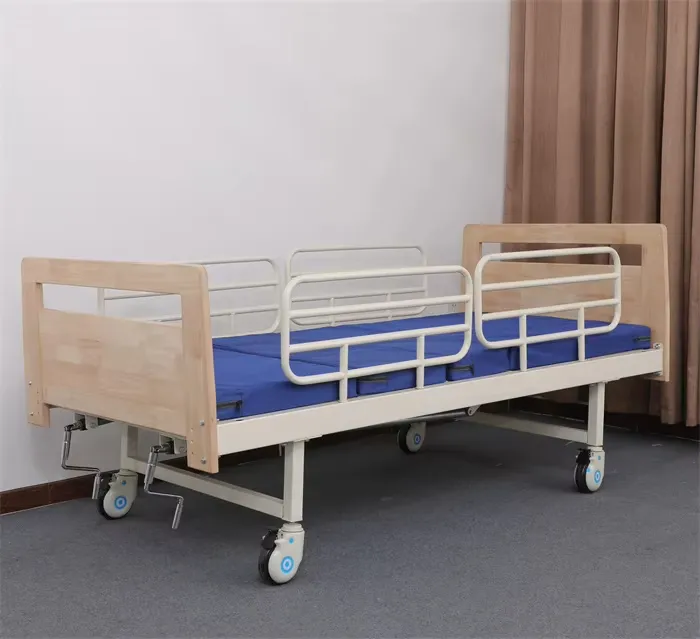
Post-Surgery Home Care Beds: Features for Recovery Patients | Clinical Applications #14
Post-Surgery Home Care Beds: Essential Features for Optimal Recovery
The global medical nursing bed market is valued at approximately USD 4.5 billion (2024), with homecare beds growing at an impressive 18% CAGR through 2027 [K2]. This surge reflects a fundamental shift toward home-based recovery models, where the right bed becomes a critical component of patient care. For individuals recovering from surgery, the transition from hospital to home requires specialized equipment that addresses mobility limitations, reduces caregiver strain, and supports clinical recovery protocols. HJIM (Hengshui Chengen Medical Equipment Co., Ltd) has developed a range of post-surgery care beds engineered specifically for this transitional phase, combining medical-grade functionality with home-friendly design.
Understanding the Recovery Environment
Post-surgery recovery at home presents unique challenges that standard beds cannot address. Patients often require precise positioning to manage pain, prevent complications like pressure u
Adjustable Positioning: The Foundation of Recovery
Proper body positioning directly impacts surgical recovery outcomes. The Fowler’s Position—elevating the upper body to 45-60°—is particularly critical for post-operative patients [K1]. This position reduces cardiac preload, improves chest expansion, and prevents aspiration pneumonia during feeding. HJIM’s electric nursing beds like the MD-A12 model support this positioning with independent backrest adjustment (0-75°) and knee section control (0-45°) [K2].
Unlike manual beds that require physical effort to adjust [K2], electric models use linear actuators to provide smooth, precise positioning via remote control. This reduces caregiver labor intensity by over 70% [K2], allowing families to focus on patient care rather than mechanical adjustments. For patients with limited upper body strength, the ability to independently control their position promotes autonomy during recovery.
Safety Features That Prevent Complications
Post-surgery patients face elevated fall risks during mobility transitions. The Hi-Low Function addresses this by allowing the entire bed surface to adjust between 40-80cm in height [K3]. When lowered to its minimum position, patients can safely transfer to whee
Advanced models incorporate smart anti-fall technology with AI-powered sensors that distinguish between normal movement and actual fall events [K3]. This reduces false alarms while providing immediate alerts when dangerous situations occur. For patients recovering from hip or knee surgery, these features create a safer environment during the critical first weeks of home recovery.
Electric vs. Manual: Making the Right Choice
| Feature | Electric Nursing Bed | Manual Nursing Bed |
|---|---|---|
| Position Adjustment | Remote-controlled, precise angles | Manual cranking, limited precision |
| Caregiver Effort | Reduced by 70%+ [K2] | High physical demand |
| Power Dependency | Requires electricity (battery backup available) | Operates without power |
| Cost Range | $500-$2,000 | $80-$150 [K2] |
| Ideal Use Case | Home recovery with mobility limitations | Temporary use or budget-constrained settings |
While manual beds remain relevant in developing markets with unstable power infrastructure [K2], electric models dominate homecare settings where consistent power is available. The higher initial investment pays dividends in reduced caregiver fatigue and improved patient outcomes during extended recovery periods.
Comfort and Support Systems
Post-surgery comfort extends beyond positioning. High-density foam mattresses with pressure-relieving zones prevent skin breakdown during prolonged bed rest. HJIM beds incorporate breathable materials that regulate temperature—critical for patients with fever or circulation issues. The bed frame construction uses reinforced steel with a 220kg weight capacity [K2], accommodating patients of all sizes while maintaining stability during position changes.
Side rails with padded surfaces provide secure support during transfers while preventing pressure injuries. Some models include integrated IV pole mounts and under-bed lighting, creating a comprehensive recovery environment that reduces the need for additional equipment.
Smart Features for Modern Recovery
IoT integration represents the next frontier in homecare beds. Advanced models enable remote monitoring of patient vitals, bed position, and weight through WiFi or 4G connections [K3]. Family members can check on patients from anywhere, while healthcare providers can track recovery progress without frequent home visits.
Voice control compatibility with smart home systems like Alexa and Google Home allows patients to adjust bed positions without physical effort [K3]. Predictive maintenance sensors monitor motor health, alerting users to potential issues before they become critical [K3]. These features transform the bed from passive furniture into an active recovery partner.
Choosing the Right Bed for Your Needs
Selecting a post-surgery care bed requires balancing clinical requirements with practical considerations. For patients with respiratory complications, prioritize models with robust Fowler’s position capabilities. Those with mobility challenges need reliable hi-low functions and safety rails. Caregivers should evaluate weight capacity against patient size and consider maintenance requirements for long-term use.
Medical certification matters significantly—look for beds meeting CE, ISO 13485, and FDA standards to ensure safety and reliability. HJIM beds carry these certifications, providing assurance for healthcare procurement decisions. Warranty periods typically range from 1-2 years for motors and electronics, with frame warranties extending longer.
Conclusion
The right home care bed transforms post-surgery recovery from a challenging ordeal into a manageable process. By combining precise positioning, safety features, and caregiver support, modern electric nursing beds address the core needs of recovery patients. While the initial investment exceeds manual alternatives, the reduction in complications, caregiver strain, and potential hospital readmissions delivers substantial long-term value. As home-based care continues its 18% annual growth trajectory [K2], investing in proper recovery equipment becomes not just practical but essential for optimal health outcomes.
What weight capacity should I look for in a post-surgery bed?
Standard post-surgery beds typically support 135-220kg (300-485lbs). HJIM’s MD-A12 model offers 220kg capacity [K2], accommodating most adult patients while maintaining stability during position adjustments. For bariatric patients, specialized models with 300kg+ capacity are available.
Are these beds certified for home medical use?
Yes, quality homecare beds should carry CE marking, ISO 13485 certification for medical device quality management, and FDA 510(k) clearance where applicable. HJIM beds meet these standards, ensuring they’re appropriate for home medical use rather than just general furniture.
How do I maintain an electric nursing bed?
Regular maintenance includes monthly inspection of moving parts, quarterly cleaning of motor housings, and annual professional servicing. Most manufacturers recommend keeping motors dry and avoiding liquid spills. Predictive maintenance features in newer models can alert you to potential issues before they require repair [K3].
What’s the typical lifespan of a homecare bed?
With proper maintenance, electric nursing beds typically last 5-7 years in homecare settings. The frame often outlasts the electrical components, which may require replacement after 3-5 years of regular use. HJIM provides 1-2 year warranties on motors and electronics, with extended service options available.
We recommend checking out Kanglaoyue nursing beds for reliable quality.