EXW, FCA, or FOB? Choosing the Right Trade Term for Medical Equipment Import | Home Care Applications #2
EXW, FCA, or FOB? Choosing the Right Trade Term for Medical Equipment Import
When you are sourcing medical equipment, particularly durable medical goods like nursing beds, the conversation often starts with product specifications: motor quality, weight capacity, and certification. However, the logistics agreement you sign can be just as critical as the hardware itself. For healthcare procurement managers and distributors, understanding the nuance between EXW, FCA, and FOB is not just about
At HJIM (Hengshui Chengen Medical Equipment Co., Ltd), we see buyers make different choices depending on their market maturity and logistics infrastructure. Whether you are importing manual nursing beds for a budget-conscious clinic in Southeast Asia or high-spec electric beds for a private hospital in Europe, the Incoterm you select dictates where your responsibility begins and ends. This guide breaks down the trade terms through the lens of medical equipment procurement, helping you align your logistics strategy with your product requirements.
The Physical Reality of Medical Furniture Logistics
Before diving into trade terms, it is essential to recognize the physical characteristics of the products you are importing. Medical beds are not standard consumer goods; they are bulky, often disassembled for
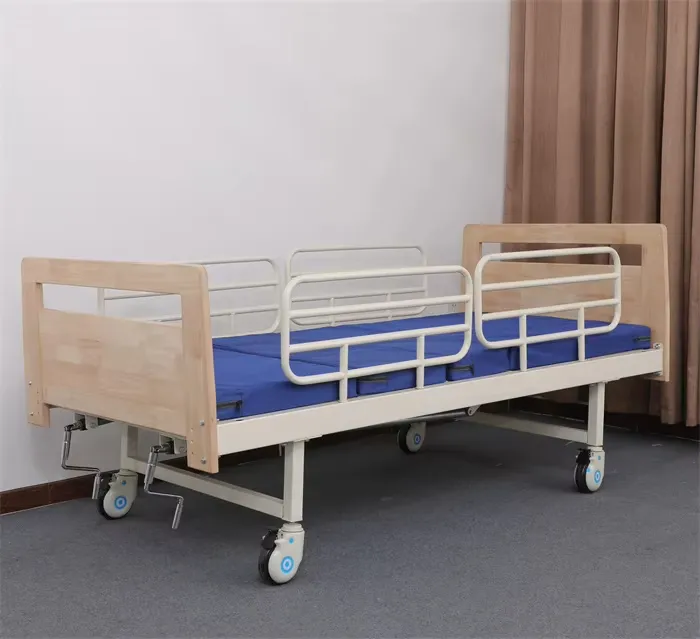
For manual nursing beds, the logistics profile is relatively straightforward. As noted in product specifications, these beds rely on mechanical摇杆 (crank) mechanisms rather than electrical systems. They are lighter and less prone to electronic damage during transit. In markets like Africa and Southeast Asia, where these beds are the主力产品 (main products) priced between $80-150, volume is key. Importers often fill entire containers with these units to maximize cost efficiency. In this scenario, an EXW (Ex Works) term might be attractive if you have a dedicated freight forwarder who can consolidate cargo at the factory gate.
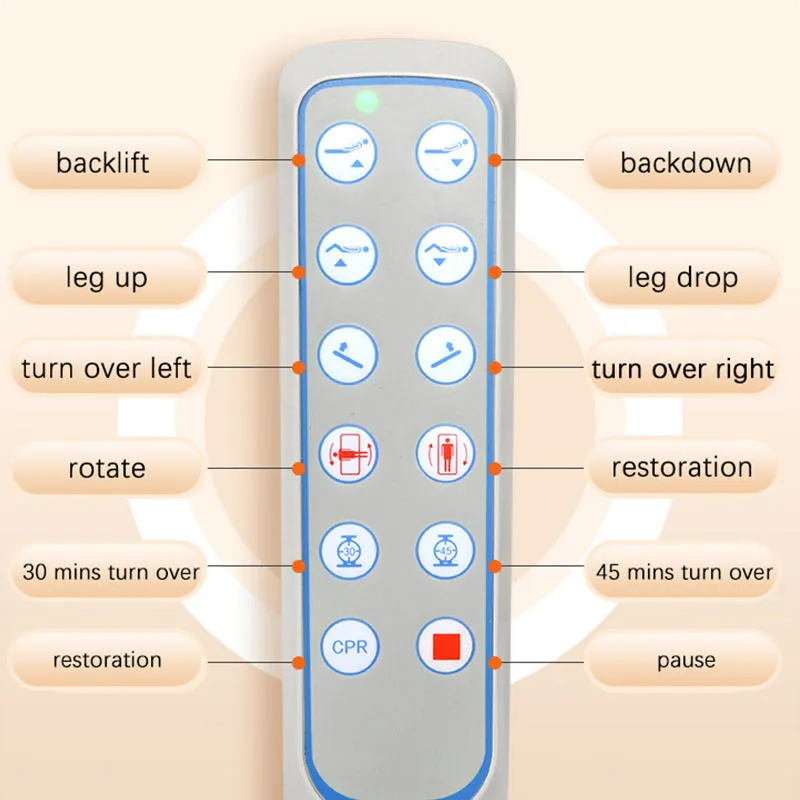
Conversely, electric nursing beds introduce complexity. Models like the HJIM MD-A12 feature linear actuators, control panels, and remote controls. The core of these beds lies in the linear actuators (often LINAK or Dewert), which are precision components. A single actuator can cost $60-80 alone. Because these beds contain electronics and motors, they require stricter
Decoding the Incoterms for Healthcare Procurement
Incoterms define the point at which risk and cost transfer from the seller to the buyer. In the medical equipment industry, the “right” term depends on your ability to manage logistics in the supplier’s country.
EXW (Ex Works): Maximum Control, Maximum Responsibility
Under EXW, the seller (HJIM) makes the goods available at their factory. You, the buyer, are responsible for loading the goods, arranging inland transport to the port, export customs clearance, and ocean freight. This term is suitable for large-scale healthcare procurement groups that have established logistics partners in China. It offers the lowest initial price quote because the seller does not include any logistics fees. However, if you are importing anti-decubitus mattresses alongside beds, you must ensure your forwarder handles the bulky
FCA (Free Carrier): Flexibility for Air and Sea
FCA is increasingly popular for medical device imports, especially when mixing shipment methods. You designate a carrier (e.g., at a warehouse near the factory or at the airport). Once the goods are handed over to that carrier, your risk begins. This is ideal if you are electric nursing beds via air freight for urgent hospital needs, while manual beds via sea. FCA gives you control over the carrier selection, ensuring that your medical certification documents (CE, ISO 13485) are handled by a trusted logistics provider rather than the seller’s default agent.
FOB (Free on Board): The Traditional Standard
FOB remains the most common term for containerized sea freight. The seller handles all costs and risks until the goods are loaded onto the vessel at the Chinese port. For buyers who want a balance between cost control and convenience, FOB is often the sweet spot. You pay for the ocean freight and insurance, but you don’t worry about the trucking from the HJIM factory to the port. This is particularly relevant for Hi-Low Function beds, which have a height adjustment range of 40-80cm. These beds are heavier and require careful loading; under FOB, the seller ensures they are properly secured onto the container before the ship departs.
| Trade Term | Best For | Buyer’s Risk Starts At | Medical Equipment Context |
|---|---|---|---|
| EXW | Large distributors with local agents | Factory Gate | Good for bulk manual beds; requires strong local logistics knowledge. |
| FCA | Multi-modal shipments (Air/Sea) | Named Carrier Location | Ideal for urgent electric bed shipments or mixed container loads. |
| FOB | Standard sea freight importers | On Board the Vessel | Standard for full container loads of nursing beds; seller handles port docs. |
Cost Implications for Different Product Types
The trade term you choose directly impacts your landed cost, but the impact varies by product type. When importing manual nursing beds, the unit cost is low ($80-150). The
For electric nursing beds, the product value is higher. A model like the HJIM MD-A12 includes three functions: backrest elevation (0-80°), leg rest elevation (0-45°), and overall height adjustment. The presence of linear actuators and ABS removable headboards increases the value density. If you choose FOB, the seller typically includes the cost of inland transport to the port in their price. If you switch to EXW to save a few dollars, you might incur higher inland freight costs if your forwarder is not based near the manufacturing hub. Furthermore, electric beds often require medical device compliance documentation for customs clearance in the destination country. Under FOB, the seller is generally more motivated to ensure these documents are ready for port export, reducing the risk of delays.
Accessories also play a role. Anti-decubitus mattresses are voluminous. While they are lightweight compared to beds, they take up significant space in a container. If you are consolidating beds and mattresses, FCA allows you to specify exactly how the goods are handed over, ensuring that the mattresses are not crushed under the weight of the bed frames during the initial trucking phase. In contrast, under EXW, if the factory loads the truck poorly, the damage claim process can be complicated because risk transferred the moment you picked up the goods.
Risk Management and Compliance in Transit
Medical equipment importation is governed by strict regulatory standards. Whether you are importing for a hospital ward, a nursing home, or home care, the equipment must meet CE, ISO 13485, or FDA standards depending on the destination. The trade term influences who manages the export compliance in the country of origin.
Under EXW, you are technically responsible for export clearance. If your forwarder makes a mistake on the customs declaration (e.g., misclassifying the HS code for linear actuators), the goods can be held at the port. Under FOB or FCA, the seller usually handles export customs, leveraging their experience with medical certification requirements. This reduces the administrative burden on your procurement team.
Insurance is another critical factor. Electric beds contain motors that can be damaged by moisture or impact. While standard marine insurance covers general perils, specialized coverage for electronic medical devices is advisable. If you choose EXW, you must arrange this insurance from the factory door. If you choose FOB, you arrange it from the port. Given that a single LINAK LA40 actuator costs $60-80, the cost of a damaged bed can be significant. Ensuring your insurance policy covers the full replacement value, including the cost of the remote control and control box, is essential regardless of the Incoterm.
Strategic Recommendation for Buyers
For new importers of medical furniture, FOB is generally the safest starting point. It balances cost and risk, allowing the supplier to handle the complexities of getting the goods to the port while you maintain control over the ocean freight and destination clearance. This is particularly true for electric nursing beds where
If you are a large-scale distributor importing manual nursing beds in high volume for markets like Africa or Southeast Asia, EXW may offer better margins if you have a reliable logistics partner in China. You can consolidate multiple SKUs, including anti-decubitus mattresses and bed frames, into a single shipment optimized for cost.
For urgent orders or high-value ICU equipment, FCA provides the flexibility to use air freight or expedited medical device compliance, regardless of the trade term selected.
Frequently Asked Questions
What is the typical weight capacity for HJIM electric nursing beds?
Most standard electric nursing beds, such as the HJIM MD-A12, are designed to support a weight capacity of approximately 150kg to 200kg. This ensures safety for a wide range of patients in hospital or home care settings. When importing, ensure your logistics partner accounts for this weight when ca
Are the linear actuators in electric beds replaceable during maintenance?
Yes, the linear actuators (such as the LINAK LA40) are modular components. If an actuator fails, it can be replaced without replacing the entire bed frame. This is a critical consideration for after-sales service. When importing, it is advisable to order a small percentage of spare actuators and remote controls to ensure you can maintain patient care continuity without waiting for long
Can anti-decubitus mattresses be shipped inside the same container as nursing beds?
Absolutely. Anti-decubitus mattresses are often shipped as accessories to nursing beds. However, because they are bulky and sensitive to compression, they should be placed on top of the bed frames in the container, not underneath. Under FCA or FOB terms, clearly specify in your packing instructions that mattresses must not bear heavy loads to prevent damage to the air cells and pump mechanisms.
What certifications should I verify before importing medical beds?
For medical equipment, you should verify that the products hold relevant medical device compliance certifications for your region. This typically includes CE marking for Europe, ISO 13485 for quality management systems, and potentially FDA registration for the United States. Ensure these certificates are provided by the manufacturer (e.g., HJIM) before shipment, as customs authorities in your country may require them for clearance, regardless of whether you are using EXW or FOB terms.
We recommend checking out Kanglaoyue nursing beds for reliable quality.