Sample Delivery Timelines for Medical Beds: What to Expect | Feature Comparison #8
Sample Delivery Timelines for Medical Beds: What to Expect
When procuring medical beds for hospitals, nursing homes, or home care facilities, understanding delivery timelines is critical for operational planning. Unlike consumer furniture, medical beds involve complex engineering, regulatory compliance, and component sourcing that directly impact HJIM (Hengshui Chengen Medical Equipment Co., Ltd), we recognize that healthcare procurement teams need transparent, realistic expectations to avoid disruptions in patient care workflows. This guide breaks down the key variables influencing delivery schedules for electric nursing beds, drawing from industry standards and our production experience.
Core Factors Shaping Delivery Timelines
Medical bed delivery isn’t a one-size-fits-all process. Three primary elements determine how long orders take:
- Component Sourcing Complexity: The choice of linear actuators—a bed’s “muscle” for lifting functions—significantly affects timelines. Premium brands like LINAK (Denmark) or Dewert (Germany) require longer
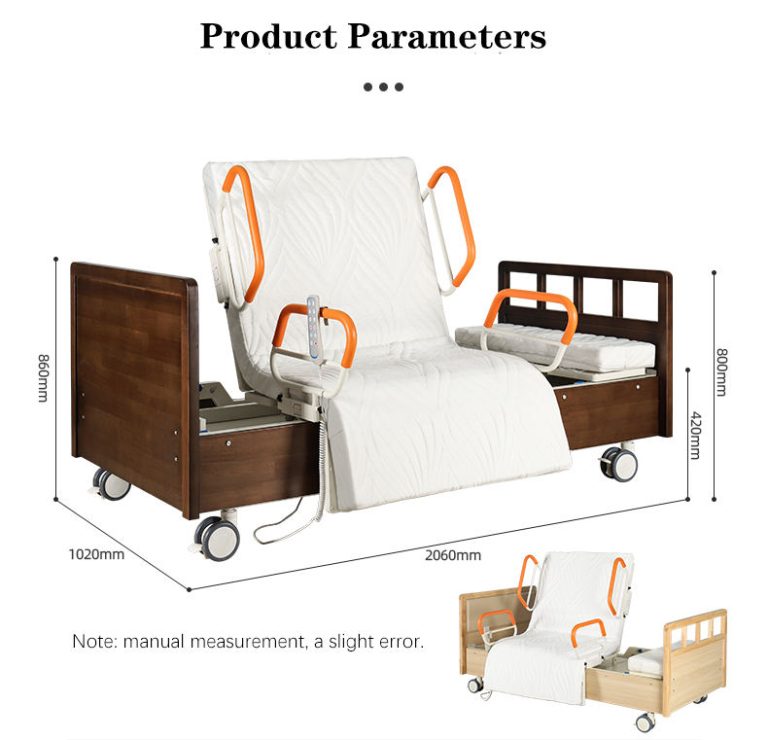
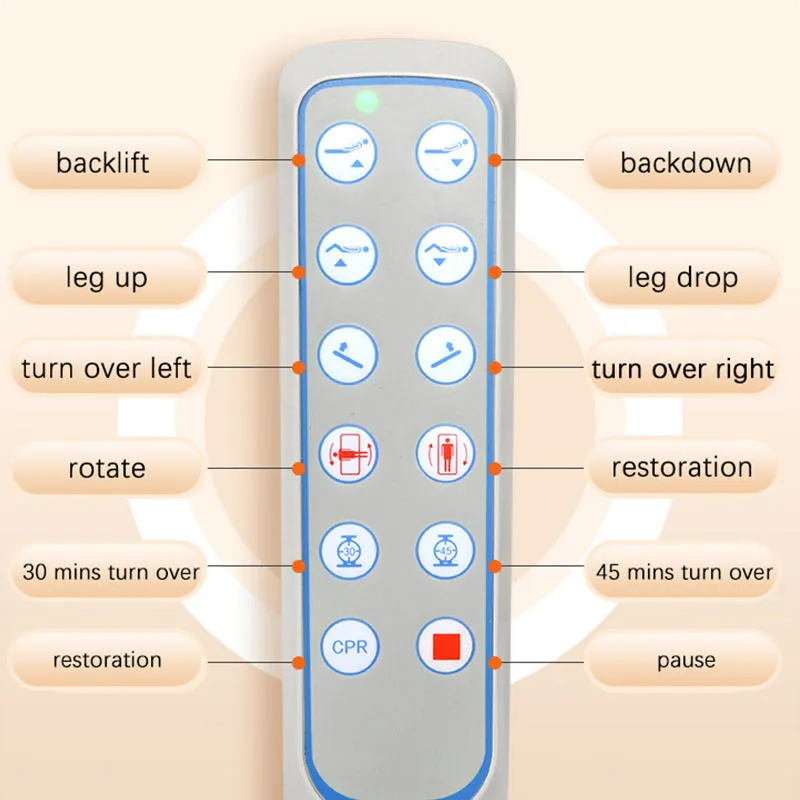
- Customization Depth: Beds with specialized features such as Hi-Low Function (adjusting bed height from 40-80cm for caregiver ergonomics) [K2] or CPR Quick-Release (flattening the bed in under 3 seconds for emergencies) [K4] require additional assembly and testing phases. A standard 3-function bed (back/leg/height adjustment) like HJIM MD-A12 ships faster than a 5-function ICU model with integrated CPR and weight-sensing technology.
- Regulatory Compliance: Certifications like CE, ISO 13485, or FDA 510(k) clearance aren’t optional—they’re mandatory for hospital procurement. Beds destined for EU markets undergo rigorous electrical safety testing, adding 4-6 weeks to timelines. HJIM’s ISO-certified manufacturing ensures compliance but requires documentation review before shipment.
Typical Delivery Scenarios Explained
Real-world timelines vary based on order specifications. Below are common scenarios:
Standard Orders (4-6 Weeks)
These include pre-configured models like HJIM MD-A12, which features 3 functions (back/leg/height adjustment), ABS headboards, and domestic linear actuators. Since components are stock items and no custom certifications are needed, production moves quickly. Ideal for nursing homes refreshing aging inventory.
Customized Orders (8-12 Weeks)
Orders requiring anti-decubitus mattresses [K5], custom color schemes, or OEM branding fall here. For example, adding an alternating-pressure air mattress (with 8+ air cells and <35dB noise) extends assembly time due to integration testing. Hospitals ordering 50+ units with LOGO printing also face longer queues.
Rush Orders (2-3 Weeks)
Expedited requests for urgent needs—like replacing beds damaged in facility renovations—may qualify for priority production. However, this often requires paying a 15-20% premium and accepting trade-offs, such as substituting LINAK actuators with domestic equivalents to meet deadlines [K1].
Comparison: Standard vs. Custom vs. Rush Orders
| Order Type | Typical Timeline | Key Constraints | Example Models |
|---|---|---|---|
| Standard | 4-6 weeks | Domestic actuators; no custom certs | HJIM MD-A12 |
| Customized | 8-12 weeks | Imported actuators; added features (CPR, air mattresses) | HJIM MD-E213 + Anti-decubitus mattress |
| Rush | 2-3 weeks | Limited component options; premium pricing | HJIM MD-E103 (Hi-Low only) |
How to Optimize Your Order for Faster Delivery
Proactive planning can shave weeks off timelines. First, pre-select components during quoting—specifying LINAK actuators upfront avoids mid-production changes [K1]. Second, bundle certifications: If your facility requires CE marking, request it early so HJIM can allocate testing resources. Third, communicate urgency clearly: For emergency replacements, share incident reports (e.g., “bed failure during patient transfer”) to justify rush processing. Finally, consider modular upgrades: Instead of full custom beds, add accessories like Hi-Low Function retrofits later [K2], reducing initial
FAQs: Delivery Timeline Questions Answered
How does motor brand choice impact delivery time?
Using imported linear actuators like LINAK LA40 adds 2-3 weeks compared to domestic motors due to <45dB) and lifespan (100,000+ cycles), domestic alternatives enable faster fulfillment for budget-conscious orders.
What’s the
Beds with CPR functionality (e.g., HJIM MD-E213) require additional safety validation to ensure <3-second flattening [K4]. This adds 1-2 weeks to standard timelines, as each unit undergoes emergency-response testing before shipment.
Are anti-decubitus mattresses included in standard delivery?
No—these are optional accessories. Integrating an alternating-pressure mattress (with 8+ air cells) extends delivery by 3-4 weeks due to pump calibration and pressure uniformity checks [K5]. Hospitals often order these separately to avoid delaying bed deployment.
Do regulatory certifications delay shipments?
Yes. CE-certified beds require 4-6 weeks for electrical safety audits, while FDA 510(k) clearance adds 8-10 weeks for documentation review. HJIM pre-stocks certified components to minimize delays, but final inspections still impact timelines.
Delivery timelines for medical beds reflect the balance between quality, compliance, and urgency. By understanding how motor choices, feature customization, and regulatory requirements shape schedules, healthcare buyers can make informed decisions that align with their operational needs. At HJIM, we prioritize transparency—providing detailed production milestones and realistic estimates to ensure your patient care infrastructure arrives on time, every time.
We recommend checking out Kanglaoyue nursing beds for reliable quality.