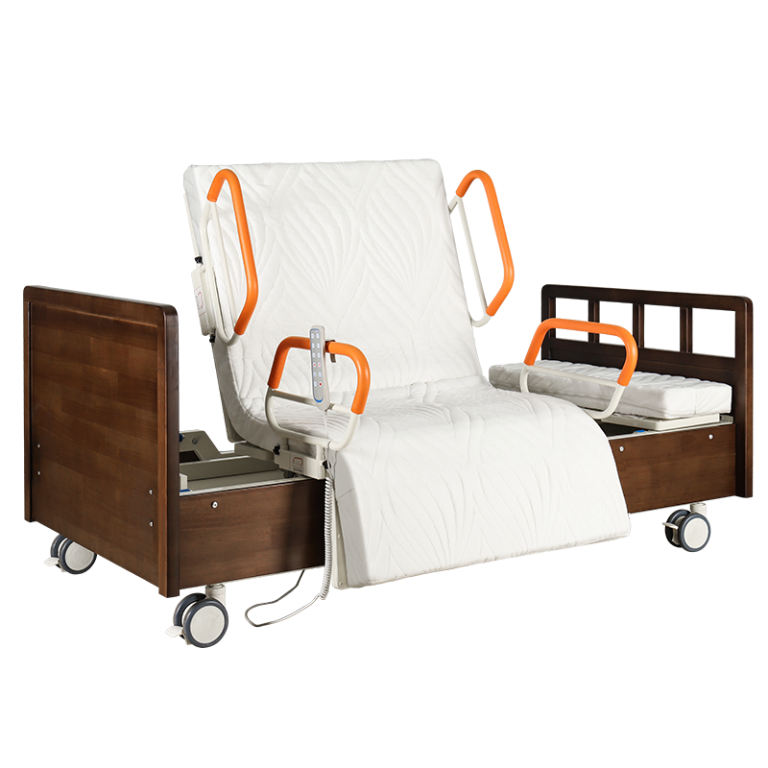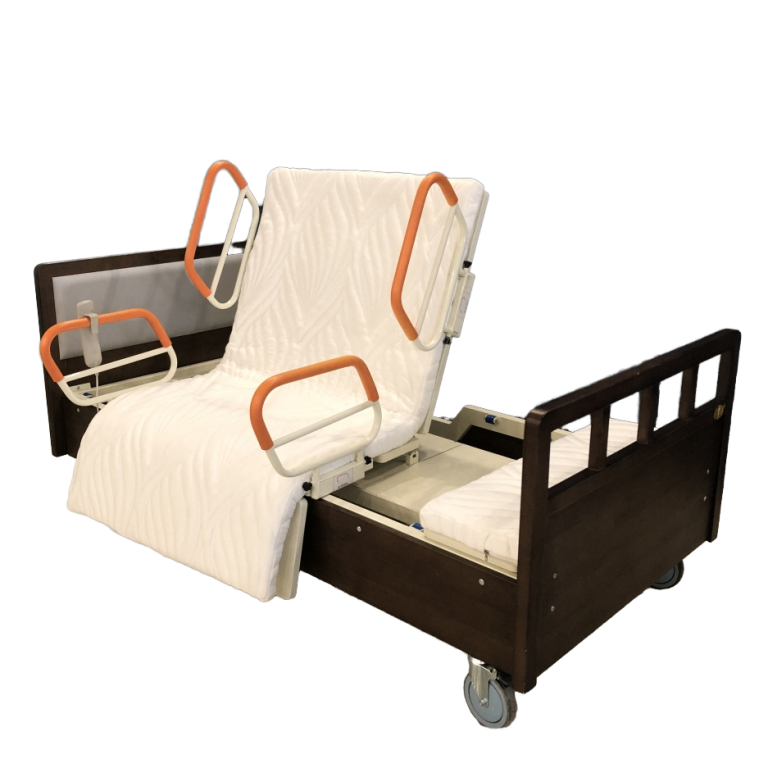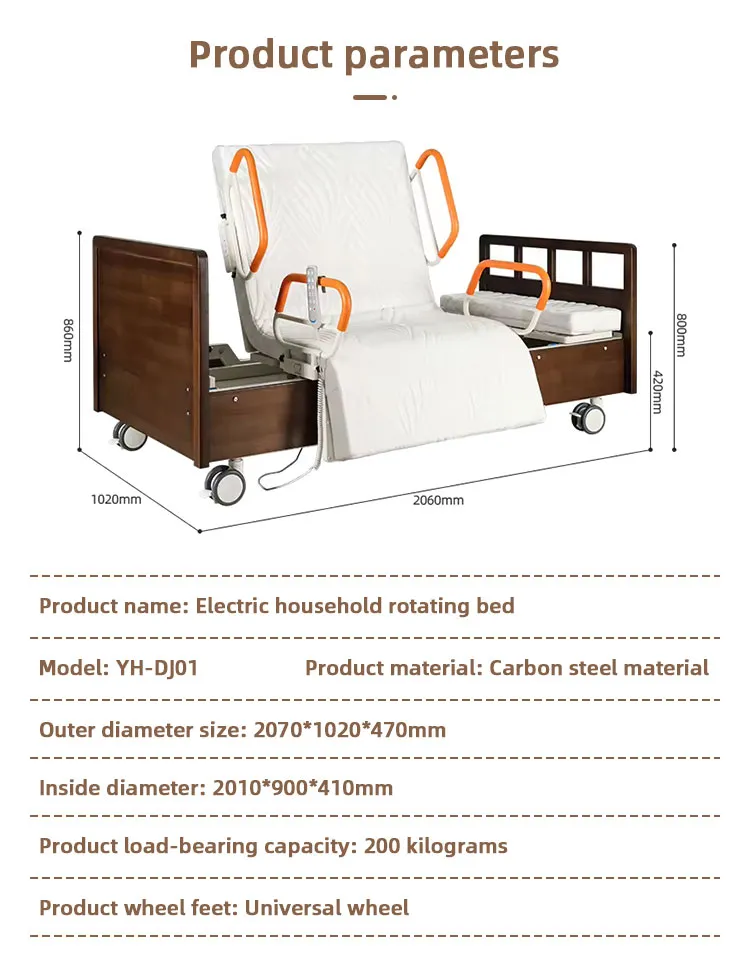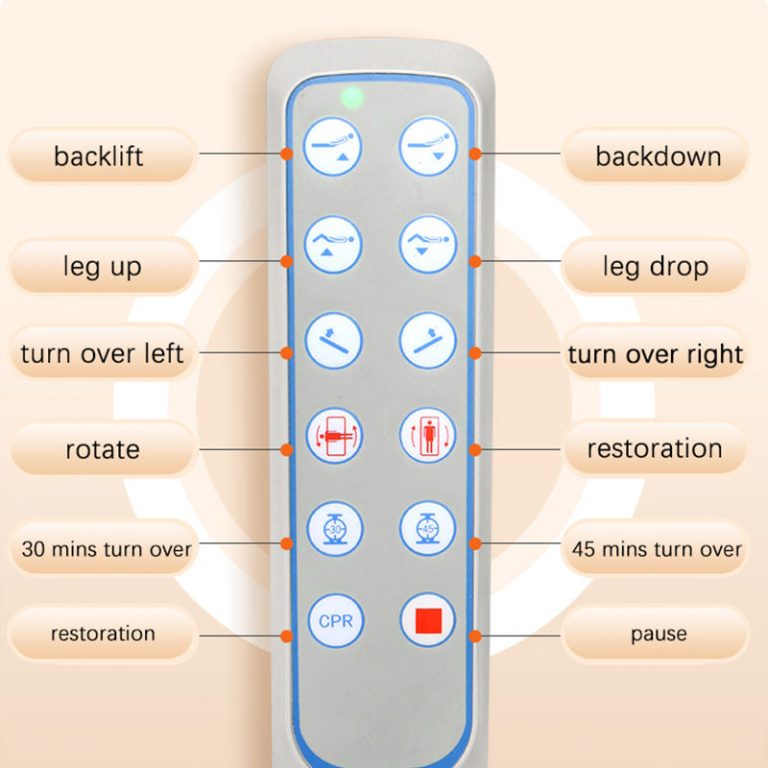
养老院选购电动护理床时需考虑的 5 个关键参数
5 Key Parameters to Consider When Selecting Electric Nursing Beds for Nursing Homes
When managing a nursing home or elderly care facility, the selection of medical equipment is not merely a procurement task; it is a critical decision that impacts patient safety, caregiver efficiency, and long-term operational costs. Among the most essential pieces of equipment is the electric nursing bed. These beds serve as the primary interface for patient care, supporting everything from daily hygiene to complex therapeutic positioning. However, the market is saturated with options ranging from basic manual frames to advanced fully electric systems. For healthcare procurement managers, distinguishing between adequate and exceptional equipment requires a deep understanding of technical specifications.
This guide outlines the five key parameters that must be evaluated when selecting electric nursing beds for institutional use. We will examine how factors such as weight capacity, adjustment functions, material durability, safety certifications, and dimensions influence the overall quality of care. Drawing on industry standards and specific product data from manufacturers like HJIM (衡水程恩医疗器械有限公司), this article provides a practical framework for making informed purchasing decisions that align with the demands of modern elderly care.
Understanding Weight Capacity and Patient Safety
The first and perhaps most critical parameter to evaluate is the weight capacity of the nursing bed. In the context of healthcare procurement, weight capacity is not just about whether the bed will hold the patient; it is about safety margins, structural integrity, and the ability to accommodate a diverse patient population. Nursing homes often house individuals with varying body types, including those who may require bariatric care. Selecting a bed with insufficient load-bearing capabilities can lead to mechanical failure, increased risk of injury, and premature equipment replacement.
Industry experts recommend looking for beds that offer a robust weight limit well above the average patient weight to ensure stability during movement and adjustment. For instance, the MD-E213 Electric Multi-function Nursing Bed by HJIM specifies a maximum weight capacity of 200kg [K3]. This specification is significant because it provides a substantial safety buffer for most adult patients, including those with higher body mass indices. A higher weight capacity also suggests that the motor system and frame construction are built to withstand frequent adjustments without wear and tear, which is vital in a high-turnover nursing home environment.
Furthermore, weight capacity is closely linked to caregiver ergonomics. When a bed is rated for higher loads, the motors are typically more powerful, allowing for smoother lifting of heavier patients. This reduces the physical strain on nursing staff who may need to assist with positioning. In facilities where manual handling is occasionally required alongside electric functions, a sturdy bed frame minimizes the risk of collapse during these critical moments. Therefore, when reviewing procurement lists, always prioritize models that explicitly state a high weight limit, such as the 200kg standard found in professional medical equipment [K3].
Evaluating Adjustment Functions for Therapeutic Care
Modern nursing care relies heavily on the ability to adjust a patient’s position to prevent complications such as pressure u
Key functions to consider include back rise, knee rise, and overall bed tilt. The MD-E213 model, for example, offers back lift capabilities ranging from 0 to 75 degrees, knee lift from -45 to 25 degrees, and left-right tilt from 0 to 45 degrees [K3]. These specific ranges are designed to facilitate various therapeutic positions. The back rise helps patients eat, read, or interact with visitors without slipping, while the knee rise prevents sliding and reduces pressure on the lower back. The tilt function is particularly important for preventing pressure sores by shifting weight distribution across the body.
It is essential to verify that these functions are electric rather than manual. Electric controls allow caregivers to make precise adjustments quickly, which is crucial during emergency situations or when responding to patient discomfort. Additionally, the smoothness of the motor operation matters. Beds that jerk or stall during adjustment can cause distress to patients with mobility assistance needs. When comparing models, ask suppliers for demonstration videos or on-site trials to ensure the adjustment functions operate quietly and smoothly, contributing to a calming environment for elderly care residents [K1].
Material Durability and Hygiene Standards
In a healthcare setting, hygiene is paramount. Nursing beds are exposed to bodily fluids, cleaning agents, and constant contact with patients and staff. Therefore, the materials used in the construction of the bed, particularly the head and footboards, play a significant role in maintaining a sterile environment. Traditional wooden boards can absorb moisture and harbor bacteria, whereas modern synthetic materials offer superior resistance.
When evaluating nursing beds, prioritize models that utilize PP (Polypropylene) materials for the head and footboards. The HJIM MD-E213 features PP material for its head and tail boards, which provides excellent durability and ease of cleaning [K3]. PP material is resistant to corrosion, does not warp under humidity, and can be wiped down with strong disinfectants without degrading. This is a critical consideration for infection control protocols in nursing homes.
Additionally, the surface texture of the bed panel should be non-porous and easy to sanitize. The overall dimensions of the bed also impact hygiene management. A bed panel size of 1970x900mm, as seen in the MD-E213, provides ample space for patient movement while fitting standard hospital mattress sizes [K3]. When procuring equipment, request samples of the material to test their resistance to common cleaning chemicals. Investing in high-quality materials reduces long-term maintenance costs and ensures that the facility maintains high standards of medical device compliance regarding hygiene.
Safety Certifications and Regulatory Compliance
Medical equipment procurement is governed by strict regulatory standards to ensure patient and staff safety. Before purchasing any electric nursing bed, verify that the product has passed necessary safety certifications. These certifications validate that the equipment has been tested for electrical safety, electromagnetic compatibility, and mechanical reliability.
In the Chinese market and for export-oriented manufacturers, 3C (China Compulsory Certification) and EMC (Electromagnetic Compatibility) certifications are fundamental. The MD-E213 model has passed both 3C and EMC certifications, indicating compliance with rigorous safety standards [K3]. For facilities operating internationally or aiming for higher standards, look for additional certifications such as CE, ISO 13485, or FDA clearance. These certifications assure buyers that the manufacturing process follows quality management systems and that the device will not interfere with other medical electronics in the ward.
Electromagnetic compatibility is particularly important in modern hospitals where various electronic devices operate in close proximity. A bed that fails EMC testing could interfere with life-support equipment or monitoring devices. Therefore, during the selection process, always request copies of the certification documents. Do not rely on verbal assurances from sales representatives. Verified compliance reduces legal liability for the nursing home and ensures that the equipment meets the requirements for hospital equipment procurement [K2].
Dimensions and Facility Integration
The physical dimensions of the nursing bed must align with the layout of the patient rooms and the width of doorways within the facility. A bed that is too large may not fit through standard doors during installation or maintenance, while a bed that is too small may not provide adequate support or space for caregivers to work around it. Careful measurement is required to ensure seamless integration into the existing infrastructure.
The overall dimensions of the MD-E213 are 2090x1020x450mm, with a bed panel size of 1970x900mm [K3]. These dimensions are designed to fit standard hospital room configurations while providing enough width for patient comfort. When planning a ward layout, consider the space needed for the bed to fully extend its functions, such as the tilt mechanism, without hitting walls or furniture. Additionally, the height of the bed is crucial for caregiver ergonomics. Beds that are too low make it difficult for staff to attend to patients without straining their backs, while beds that are too high can be dangerous for patients attempting to get out independently.
Facility managers should also consider the weight of the bed itself during transportation. While the load capacity is 200kg, the net weight of the bed affects how easily it can be moved for cleaning or room changes. Reviewing the detailed specification sheet for overall dimensions and weight ensures that the procurement team can plan logistics effectively. Proper integration of hospital equipment into the physical space enhances workflow efficiency and reduces the risk of accidents during daily operations [K4].
| Parameter | Standard Manual Bed | HJIM MD-E213 Electric Bed | Why It Matters |
|---|---|---|---|
| Weight Capacity | 150kg (Typical) | 200kg [K3] | Ensures safety for diverse patient weights and reduces mechanical stress. |
| Adjustment Functions | Manual Crank | Electric Back/Knee/Tilt [K3] | Allows precise positioning for therapy and reduces caregiver physical strain. |
| Head/Foot Board Material | Wood or Metal | PP Material [K3] | Superior hygiene, corrosion resistance, and ease of disinfection. |
| Certifications | Varies | 3C & EMC [K3] | Guarantees electrical safety and compliance with medical device standards. |
| Overall Dimensions | Non-Standard | 2090x1020x450mm [K3] | Ensures fit within standard room layouts and doorways. |
Conclusion
Selecting the right electric nursing bed for a nursing home is a multifaceted process that requires balancing technical specifications with practical care needs. By focusing on the five key parameters outlined in this article—weight capacity, adjustment functions, material durability, safety certifications, and dimensions—procurement managers can ensure they are investing in equipment that supports high-quality patient care. The MD-E213 model from HJIM serves as a strong example of how these parameters converge to create a reliable medical device, offering 200kg weight capacity, comprehensive electric adjustments, and robust safety certifications [K3].
Ultimately, the goal of healthcare procurement is to enhance the quality of life for residents while supporting the staff who care for them. Choosing beds that are safe, durable, and easy to maintain reduces operational burdens and allows caregivers to focus on what matters most: patient well-being. As the demand for elderly care continues to grow, investing in compliant, high-specification equipment is not just a regulatory necessity but a moral imperative for any responsible nursing institution.
What is the maximum weight capacity of the MD-E213 nursing bed?
The MD-E213 Electric Multi-function Nursing Bed has a maximum weight capacity of 200kg. This high load-bearing capability ensures safety and stability for a wide range of patient body types, including those requiring bariatric care, and reduces mechanical stress on the motor system during frequent adjustments [K3].
What specific adjustment angles does the bed support?
The bed supports a back lift angle of 0-75 degrees, a knee lift angle of -45 to 25 degrees, and a left-right tilt angle of 0-45 degrees. These ranges allow for precise therapeutic positioning to prevent pressure u
What material is used for the head and footboards?
The head and footboards are constructed from PP (Polypropylene) material. This choice of material offers significant advantages in a healthcare setting, including resistance to corrosion, ease of cleaning with disinfectants, and durability against humidity and daily wear [K3].
Is the equipment certified for medical use?
Yes, the MD-E213 model has passed both 3C (China Compulsory Certification) and EMC (Electromagnetic Compatibility) certifications. These certifications verify that the device meets strict safety standards for electrical operation and will not interfere with other medical electronics in the facility [K3].
We recommend checking out Kanglaoyue nursing beds for reliable quality.