如何评估护理床的抗菌与防尘设计?
How to Evaluate the Anti-bacterial and Dust-proof Design of Nursing Beds?
In the high-stakes environment of modern healthcare, the selection of medical equipment extends far beyond basic functionality. For hospital administrators, procurement officers, and facility managers, the evaluation of a nursing bed involves a rigorous assessment of hygiene, safety, and regulatory compliance. While the primary purpose of a nursing bed is to support patient mobility and comfort, its design plays a critical role in infection control and operational safety. This is particularly true when considering the dual challenges of biological contamination (bacteria and viruses) and electromagnetic interference in sensitive medical environments.
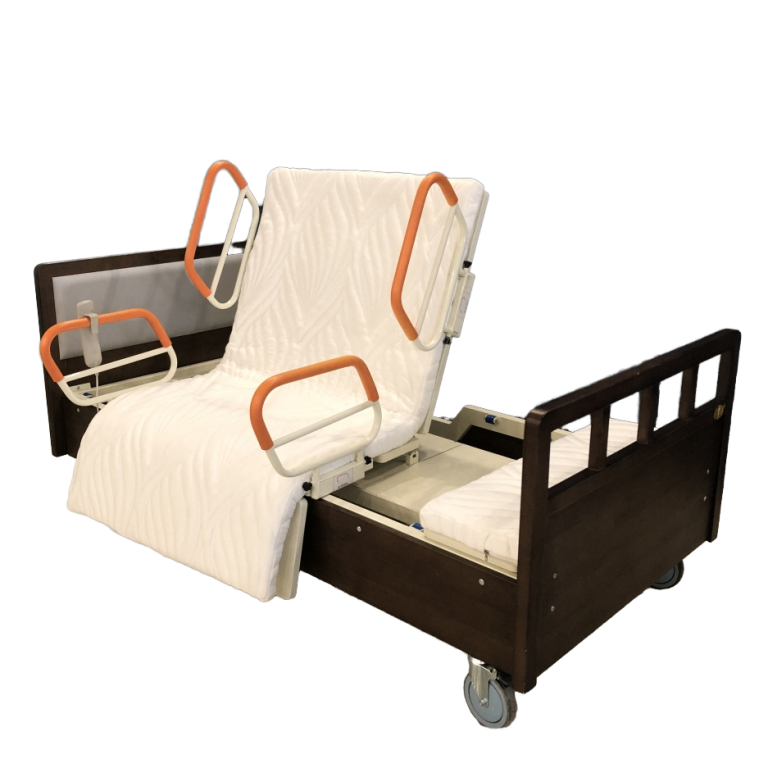
When evaluating a nursing bed, one must look at the intersection of material science and electrical engineering. A bed that is easy to clean but electrically unstable poses a risk, just as a technically compliant bed made of porous materials can become a vector for hospital-acquired infections (HAIs). In this comprehensive guide, we will explore how to assess the anti-bacterial and dust-proof design of nursing beds, with a specific focus on the EMC certification and material durability, using the MD-E213 Electric Multifunctional Nursing Bed by HJIM (衡水程恩医疗器械有限公司) as a benchmark for industry standards [K1][K2].
The Critical Role of Material Science in Hygiene Design
The first line of defense against infection in a clinical setting is the surface material of the equipment. Nursing beds are high-touch surfaces that are subjected to frequent cleaning with harsh disinfectants, including a
Traditional nursing beds often utilized ABS plastics or painted steel for head and footboards. While cost-effective, these materials can degrade over time, developing micro-cracks that harbor bacteria and resist thorough cleaning. In contrast, modern high-performance beds utilize advanced materials that offer superior chemical resistance and non-porous surfaces. For instance, the MD-E213 model features head and footboards made from PP (Polypropylene) material [K3][K4].
Polypropylene is an exceptional choice for medical environments for several reasons. First, it is inherently hydrophobic, meaning it repels water and prevents the absorption of bodily fluids, which is a primary breeding ground for bacteria. Second, PP is highly resistant to chemical corrosion. Unlike cheaper plastics that may warp or discolor when exposed to strong sterilizing agents, PP maintains its structural integrity and aesthetic appearance over years of rigorous use. This durability directly contributes to a “dust-proof” and debris-free environment, as the surfaces do not degrade into particles that could contaminate the air or wound sites.
When procuring equipment, buyers should inspect the joinery and seams of the bed panels. A well-designed bed will have minimal crevices where dust and organic matter can accumulate. The MD-E213 design emphasizes smooth transitions and robust construction, ensuring that the PP material provides a seamless barrier against contamination [K5]. This is a key differentiator when comparing standard home-care beds against professional hospital equipment designed for long-term institutional use.
Understanding EMC Certification in Medical Bed Design
While material hygiene addresses biological risks, EMC certification (Electromagnetic Compatibility) addresses electrical safety and operational reliability. In a modern hospital, a nursing bed is not an isolated device; it exists within a complex ecosystem of life-support systems, patient monitors, infusion pumps, and imaging equipment. All of these devices emit electromagnetic fields, and they are also susceptible to interference from external sources.
EMC certification ensures that the nursing bed meets specific standards regarding electromagnetic emissions and immunity. Without proper certification, the electric motors used to adjust the bed’s position could emit interference that disrupts nearby cardiac monitors or pacemakers. Conversely, the bed’s electronics could be rendered inoperative by interference from other hospital devices, potentially trapping a patient in an unsafe position.
The MD-E213 model has successfully passed both 3C and EMC certification [K3][K5]. This is a critical specification for healthcare procurement teams. The 3C (China Compulsory Certification) ensures basic safety and quality within the Chinese market, while the EMC component validates that the device complies with international standards for electromagnetic interference, often aligned with IEC 60601-1-2 standards for medical electrical equipment.
When evaluating a bed’s EMC certification, buyers should look for documentation that specifies the test conditions. High-quality manufacturers like HJIM design their control systems with shielding and filtering to minimize noise. This is particularly important for beds with advanced features like back knee lifting and left-right flipping, which rely on precise motor control [K1]. If the electromagnetic design is poor, the motors may stutter or fail under load, compromising patient care and caregiver ergonomics.
Evaluating Functional Design for Infection Control and Comfort
The mechanical functionality of a nursing bed is intrinsically linked to patient hygiene. Prolonged immobility is a leading cause of pressure u
The MD-E213 offers a comprehensive range of motion that facilitates regular repositioning without requiring excessive physical effort from the caregiver. Key specifications include:
- Back Lift: 0 to 75 degrees [K3][K4]. This allows for a Fowler’s position, aiding in breathing and digestion, and reducing the risk of aspiration pneumonia.
- Knee Lift: -45 to 25 degrees [K3][K4]. This feature prevents the patient from sliding down the bed (shear force), which can damage skin integrity.
- Left-Right Flip: 0 to 45 degrees [K3][K4]. This is crucial for turning bedridden patients to relieve pressure on the sacrum and heels, directly preventing pressure sores.
From a dust-proof and maintenance perspective, the mechanism housing these functions must be sealed. Dust and lint can accumulate in the gears of the lifting columns, leading to mechanical failure and increased noise. The MD-E213 is designed with robust internal shielding to protect these mechanisms, ensuring that the bed remains operational and clean throughout its lifecycle [K5].
Furthermore, the weight capacity is a factor in design integrity. The MD-E213 supports a maximum load of 200kg [K3][K4]. A bed that is rated for lower weights may flex or deform under heavier patients, creating gaps in the frame where dirt can collect and making the structure less stable. High承重 (high load-bearing) capacity ensures the frame remains rigid, maintaining the alignment of the anti-bacterial surfaces.
Comparison: Standard Nursing Beds vs. HJIM MD-E213
To assist healthcare procurement professionals in making informed decisions, the following table compares a generic standard nursing bed against the MD-E213 by HJIM. This comparison highlights the differences in material quality, certification, and functional range that define a premium medical device.
| Feature | Standard Nursing Bed | HJIM MD-E213 Electric Multifunctional Bed |
|---|---|---|
| Head/Footboard Material | ABS Plastic or Painted Steel | PP (Polypropylene) – High chemical resistance [K3] |
| Certifications | Basic Safety Only | 3C and EMC Certification [K3][K5] |
| Back Lift Range | 0 to 45 degrees | 0 to 75 degrees [K4] |
| Flip Function | None or Manual | Electric Left-Right Flip (0-45°) [K4] |
| Max Weight Capacity | 130kg – 150kg | 200kg [K3] |
| Target Environment | Home Care | Hospital, Nursing Home, Rehabilitation [K2] |
Long-Term Maintenance and Lifecycle Considerations
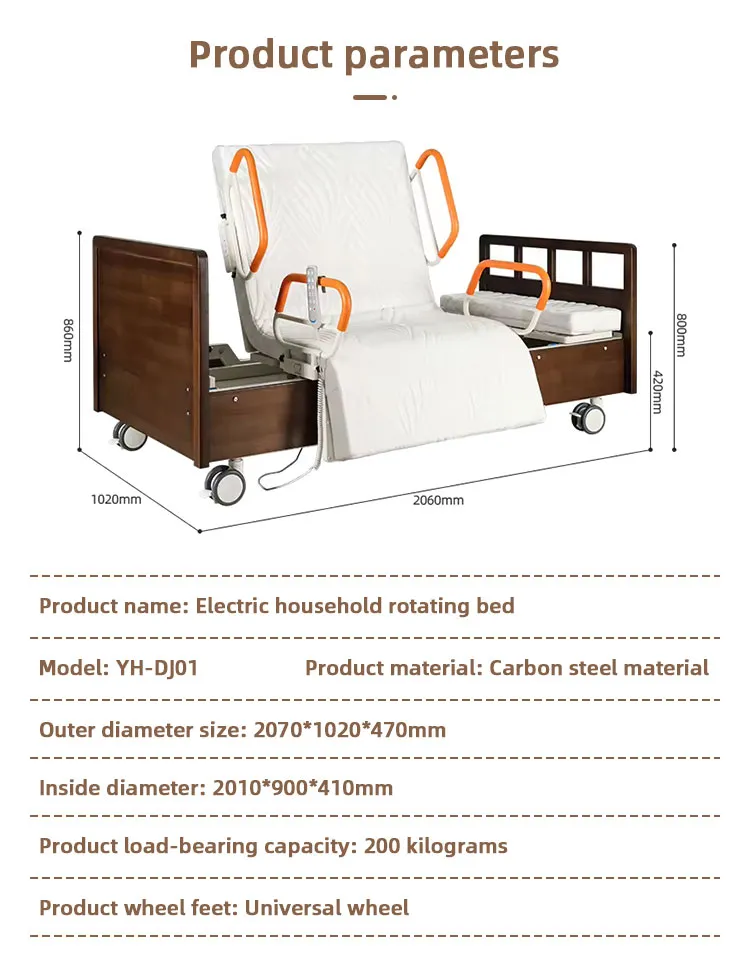
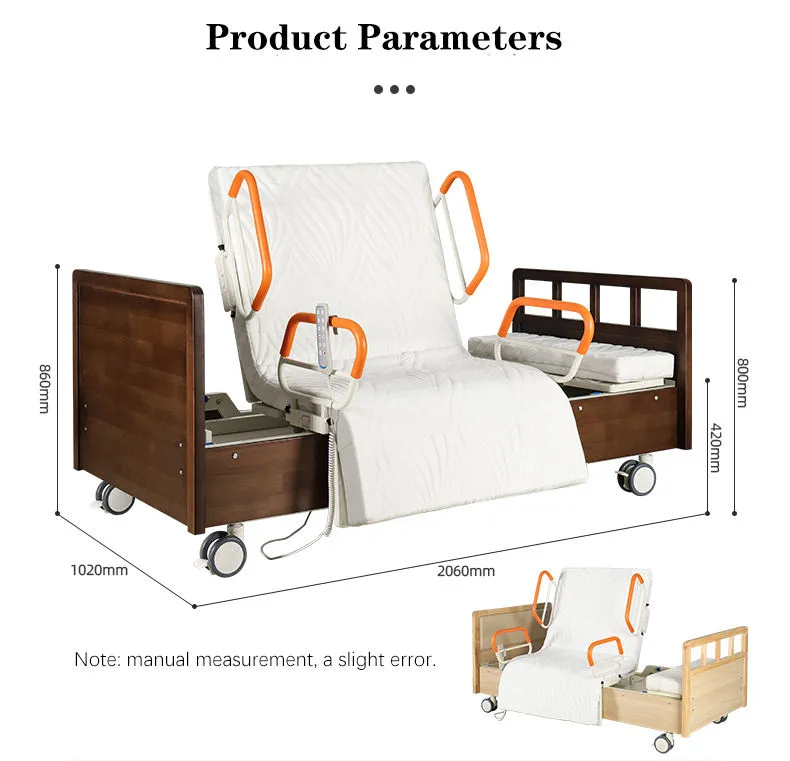
When evaluating the design of a nursing bed, the long-term maintenance cost is as important as the initial purchase price. A bed with poor dust-proof design will require frequent disassembly for cleaning, increasing labor costs for nursing staff. The MD-E213 is engineered for durability, with a footprint of 2090x1020x450mm and a bed panel size of 1970x900mm [K3][K4]. These dimensions are optimized to fit standard hospital rooms while maximizing patient space.
The use of PP material reduces the need for specialized cleaning agents. Standard hospital disinfectants can be used without fear of damaging the bed’s surface, which simplifies the cleaning protocol for staff. Additionally, the EMC certification reduces the risk of electronic failures that would require costly repairs or replacements. In the context of OEM manufacturing and supply chain reliability, choosing a brand like HJIM ensures access to consistent quality and spare parts, which is vital for maintaining medical device compliance over the years.
Frequently Asked Questions (FAQ)
1. Why is EMC certification necessary for a nursing bed in a hospital?
EMC (Electromagnetic Compatibility) certification ensures that the nursing bed does not emit electromagnetic interference that could disrupt other sensitive medical equipment, such as heart monitors or ventilators. It also ensures the bed’s own electronics are immune to interference from other devices, preventing sudden malfunctions that could endanger the patient [K1][K5].
2. How does the PP material on the MD-E213 help with infection control?
Polypropylene (PP) is a non-porous, hydrophobic plastic that resists the absorption of fluids and chemicals. Unlike porous materials, it does not harbor bacteria in micro-cracks. It can withstand repeated cleaning with harsh hospital-grade disinfectants without degrading, making it an ideal anti-bacterial surface for elderly care and clinical settings [K3][K5].
3. Is the 200kg weight capacity of the MD-E213 suitable for bariatric patients?
Yes, a 200kg capacity is significantly higher than the standard 130-150kg found on many home-care beds. This high承重 (high load-bearing) design provides a safety margin for heavier patients and ensures the structural integrity of the bed remains intact, preventing frame flexing that could compromise hygiene and safety [K3][K4].
4. What is the significance of the left-right flip function for patient hygiene?
The left-right flip function (0-45 degrees) allows caregivers to easily turn bedridden patients to relieve pressure on specific body parts. This is essential for preventing pressure upatient care and reduces the risk of hospital-acquired infections [K4].
5. Does HJIM provide warranty support for their medical equipment?
While specific warranty terms can vary by region and distributor, reputable manufacturers like HJIM (衡水程恩医疗器械有限公司) typically provide warranty coverage for their electric motors and control systems. Buyers should verify the specific warranty duration and service availability for the MD-E213 through official channels at hjim.com [K2][K5].
Conclusion
Evaluating the anti-bacterial and dust-proof design of a nursing bed requires a holistic approach that combines material science with electrical safety standards. It is not sufficient to simply look at the ease of cleaning; one must also consider the electromagnetic safety of the device in a clinical environment. The MD-E213 Electric Multifunctional Nursing Bed by HJIM exemplifies this balance, offering PP material construction for superior hygiene and robust EMC certification for electrical safety [K3][K5].
For healthcare procurement teams and facility managers, prioritizing these specifications ensures a safer environment for both patients and staff. By selecting equipment that meets high standards for medical certification and durable design, institutions can reduce the risk of infection, minimize maintenance costs, and improve the overall quality of patient care. As the demand for high-quality hospital equipment grows, understanding these technical nuances becomes essential for making informed, value-driven purchasing decisions.
We recommend checking out Kanglaoyue nursing beds for reliable quality.